
Stay up to date, subscribe to our newsletter!

Subscribe
Customer Log in GLM
Beontag

Graphics and Label Materials

Graphics and Label Materials

A wide range of labeling, self-adhesive, special papers, and other graphic and label materials

Learn more - Graphics and Label Materials

Resources

Image without altDatasheetsImage without altBrochures

Categories

See all - Categories

Pressure-sensitive adhesive - Categories
Prime Papers - Prime PapersVariable Info - Variable InfoDigital Variable Info - Digital Variable InfoFilms - FilmsSpecialty Beverage - Specialty BeverageSpecialty Papers & Films - Specialty Papers & Films
Paper Grades - Paper GradesFluorescents & Astrobrights - Fluorescents & AstrobrightsSpecialty Grades - Specialty GradesFilms & Foils - Films & Foils
Transfer-adhesive - Transfer-adhesive
Release Liner - CategoriesSustainable Products - Categories

Applications

See all - Applications

Health and Beauty Product - CategoriesLabel Materials for Cannabis Products - CategoriesLumber and Outdoor Tag Material - CategoriesBumper Sticker Products - CategoriesTextile and Garment Labels - CategoriesTight Mandrel - CategoriesTosca RPC Approved Labels - CategoriesSmall Office & Home Office Applications - CategoriesFood Packaging Tamper-Evident Label Products - Categories

RFID and IoT Enablers

RFID and IoT Enablers

A wide range of IoT enablers and smart tags, such as RFID, NFC and BLE, to connect billions of items worldwide.

Learn more - RFID and IoT Enablers

Resources

Image without altBrochures

Categories

See all - Categories

RFID and NFC Tags & Inlays - CategoriesBLE Tags - CategoriesSpecialty Labels - CategoriesOn Metal Labels - CategoriesHard Tags - CategoriesSustainable Products - Categories

Applications

See all - Applications

Inventory Management - CategoriesLogistics and Supply Chain - CategoriesMass Market - CategoriesBeauty and Personal Care - CategoriesAutomotive - CategoriesPayments - CategoriesSmart Cities - Categories

Applications

Personal and Home CareFood and BeverageHealthcare and PharmaceuticalSupply Chain and LogisticsMass Market and RetailIndustrial and Durable GoodsElectronic and ElectricalSee all applications

About us

About usESGCertifications & RecognitionsCareers

Newsroom

CasesPress ReleasesBlogBrochuresWhitepapers
Contact Us
Subscribe
Customer Log in GLM
Beontag
Graphic and Label MaterialsRFID and Iot Enablers

Beontag

About usESGCareersCertificationsCompliancePrivacy Policy

Newsroom

CasesPress ReleasesBlogBrochuresContact us

© 2026 All rights reserved.
Ubistart

Background blue shapeBackground blue shape

Change country/region?

You're viewing our available portfolio for

Our portfolio may vary depending on your location. Please choose the region or country according to where you are.

Change my country/region

RFID labels for food & beverage: What they are and how they work

Trotwood - US |Beontag |4/28/2026

RFID labels for food and beverage are smart labeling solutions that use radio frequency technology to improve traceability, inventory accuracy, and food safety across the supply chain. Learn how they work and why they matter for food and beverage operations below.


Background blue shapeBackground blue shape rotate-180

Explore more products that may interest you

Paper card to access controlline shape

RFID Sustainable Products

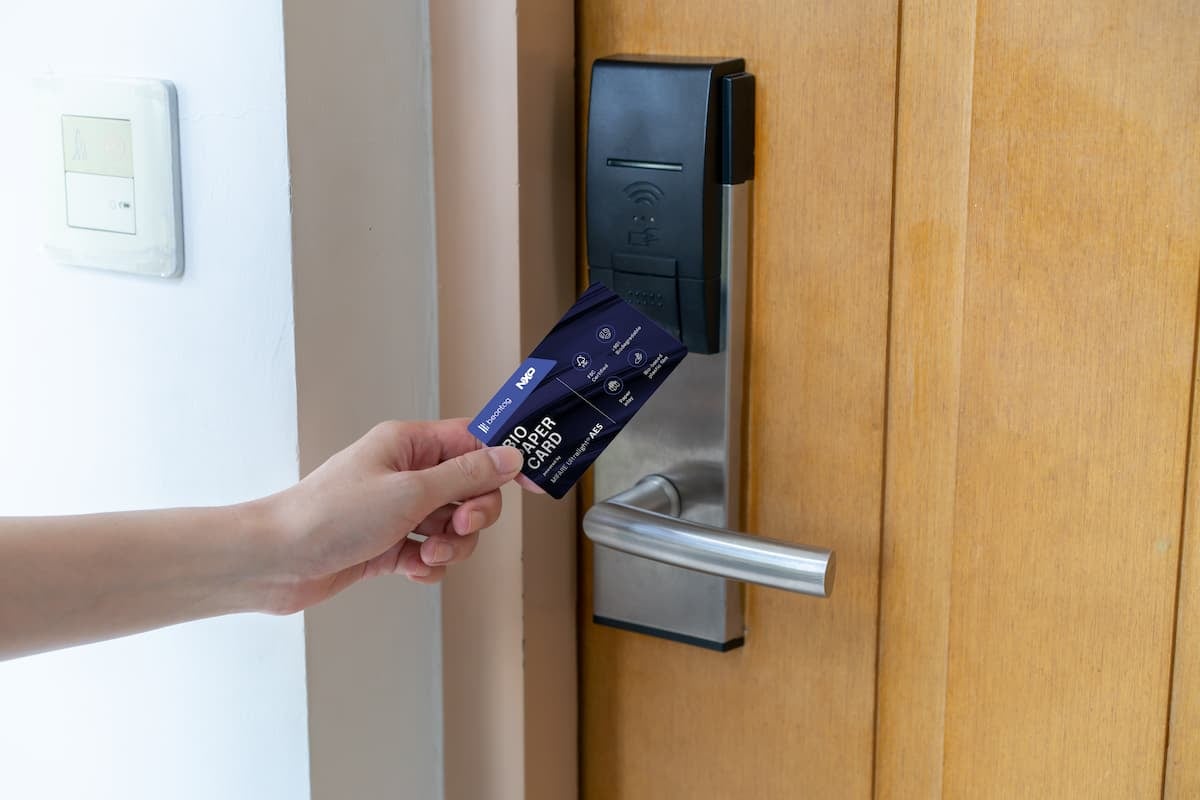
Bio Paper Card – HF NFC Sustainable Key Card for Access & EV Charging

NFC / Dimensions 85,5 x 54mm

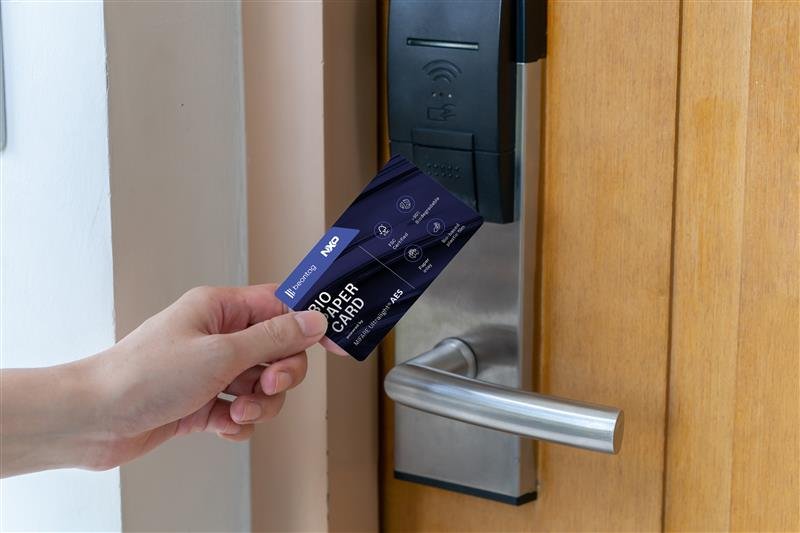
Beontag's Bio Paper Card is a sustainable, high-performance alternative for access control applications. This paper-based HF RFID card is ideal for limited-use tickets and key cards, offering a seamless user experience and reducing environmental impact compared to traditional plastic cards, while delivering the same levels of performance in terms of read range and reliability. Available also with NXP® Semiconductors MIFARE® DUOX for electric vehicle (EV) charging, ensuring security, quality and trust for authentication and payments at Charge Pint Operators (CPOs), E-Mobility Service Providers (EMSPs), and EVSE Equipment Providers.

See datasheet

Image without altline shape

Specialty RFID Labels

Carrier Dual - Dual Frequency UHF & NFC Tag for Logistics and Retail

Dual frequency / Antenna 33 x 67 mm

Best-in-class dual frequency product for RTIs and other applications that require the long-range RAIN RFID functionality for supply chain management and inventory counting but also NFC interface for consumer interaction at the point-of-delivery. Shared memory makes data handling easy via both interfaces.

See datasheet

microwave rfid tagline shape

Specialty RFID Labels

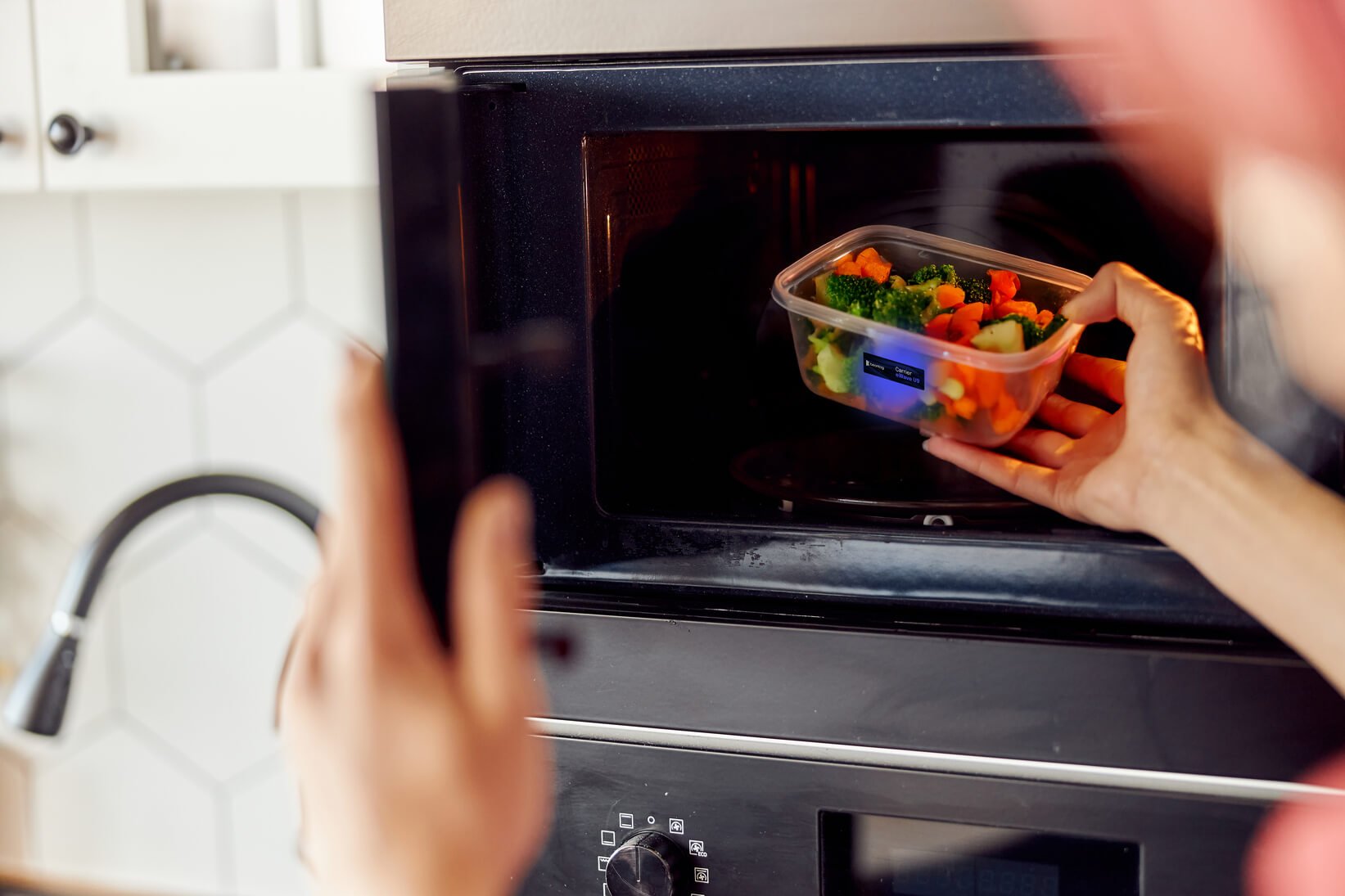
Carrier eWave - UHF RFID Label for Reusable Packaging and Microwave Resistance

UHF RFID / Antenna 38 x 10 mm

Carrier eWave is a washable, industrial-grade UHF label, compliant with microwave ovens, ideal for returnable and reusable food packaging applications, as it ensures circularity, asset management and supply chain processes while being safe and resistant.

See datasheet

Image without altline shape

Specialty RFID Labels

Carrier KLT – UHF RFID Label for Automotive Supply Chain (VDA 4500)

UHF RFID / Antenna 20 x 88 mm

Carrier KLT is a VDA 4500 compliant RFID label specifically designed for automotive industry applications. It is also available with optional protective layer for better printing durability and uses the same antenna design as Carrier PRO with proven performance.

See datasheet

Image without altline shape

Specialty RFID Labels

Carrier Pro – UHF RFID Tag for Asset Tracking and High Water Content Products

UHF RFID / Antenna 20 x 88 mm

Carrier Pro offers larger area for visual printing. Unique antenna design offers reliable tracking even when close to products that have high water content.

See datasheet

Image without altline shape

RFID Hard Tags

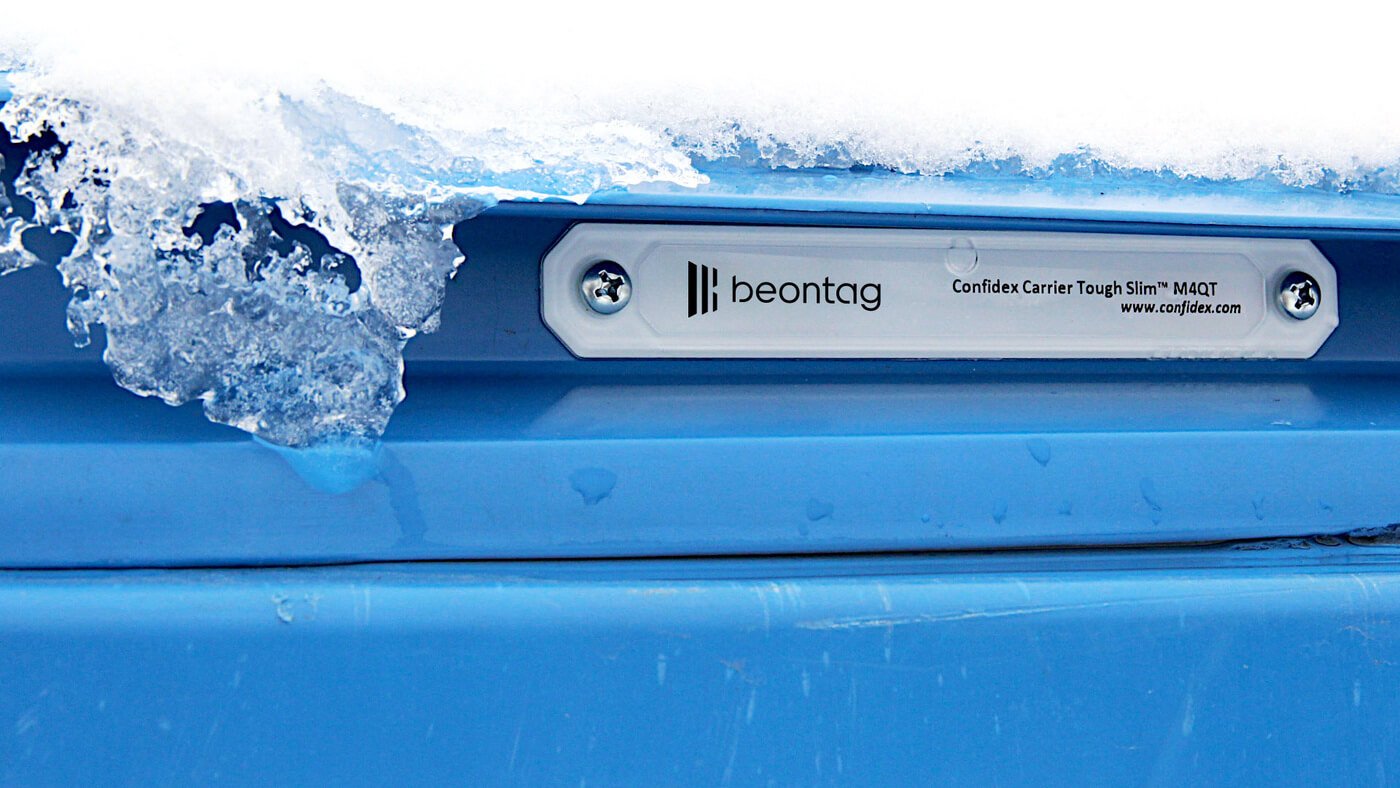
Carrier Tough Slim – Durable UHF RFID Hard Tag for Industrial Asset Tracking

UHF RFID / Dimensions 122 x 18 x 2 mm

Designed for the harshest environments, Carrier Tough Slim provides you the robustness of hard tags with full personalization options.

See datasheet

Image without altline shape

RFID and NFC Tags & Inlays

Crosswave Neo – UHF RFID Tag with 360-Degree Readability Logistics and Supply Chain

UHF RFID / Antenna 46,5 x 72 mm

Unique dual-dipole behavior combined with performance of the latest IC generation. 360-degree readability offers reliable and fast logistics even in challenging environments.

See datasheet

Image without altline shape

Specialty RFID Labels

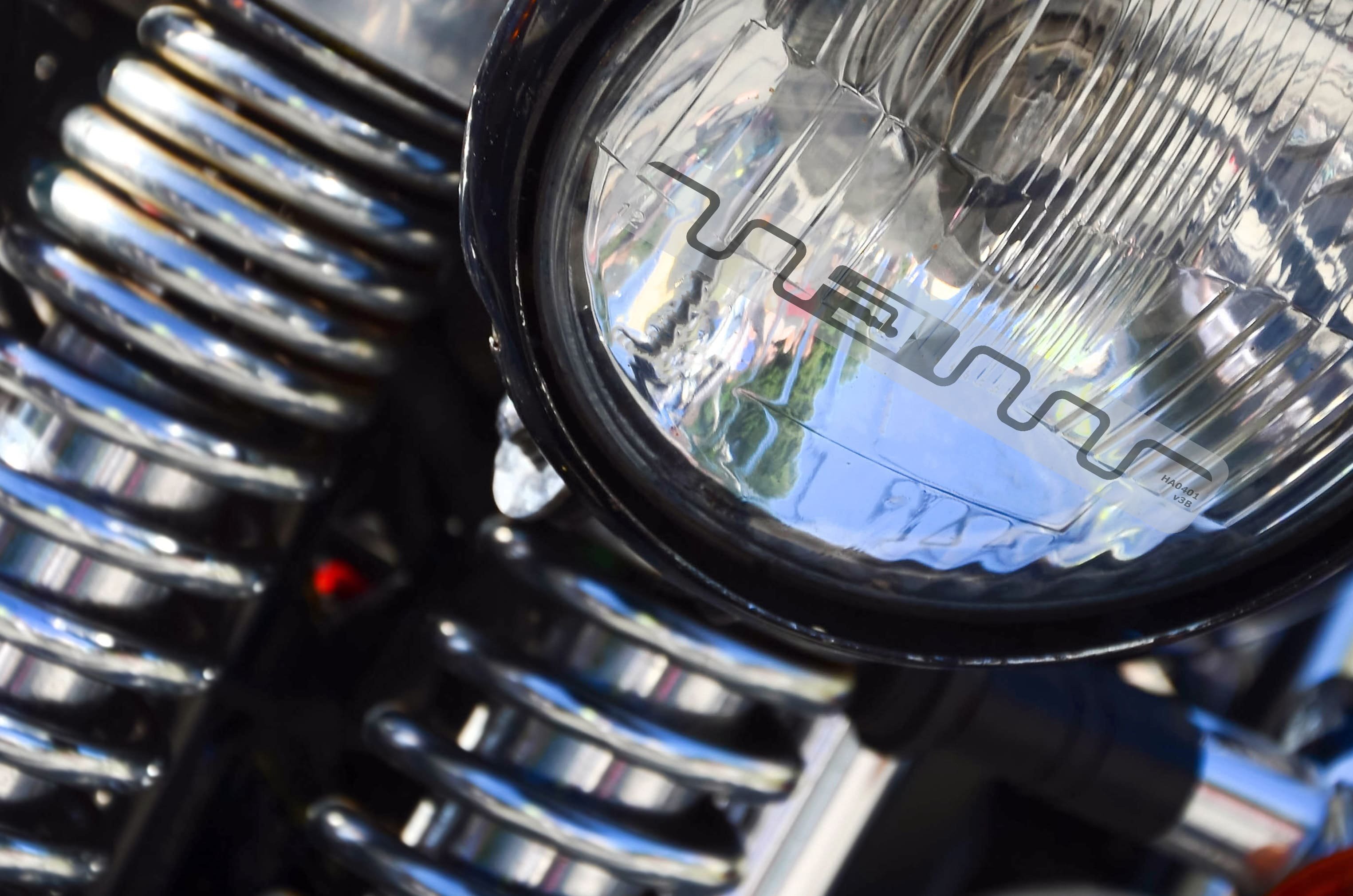
Cruiser Headlamp – Transparent UHF RFID Tag for Automotive and Vehicle Tracking

UHF RFID / Antenna 8,5 x 87 mm

Transparent and small Cruiser Headlamp label is an excellent choice for headlamp use in cars and motorcycles. All its materials are tested against chemicals, high temperatures and UV light. Its infrared protection guarantees optimal performance.

See datasheet

Image without altline shape

Specialty RFID Labels

Cruiser Windshield Crypto – UHF RFID Tag with Encryption for Vehicle Identification

UHF RFID / Antenna 11 x 93 mm

Cruiser Windshield Crypto label enables fast and secure transactions with its encryption feature. The data encryption prevents frauds while the IC's fast readability is maintained at the same time. Long reading distance and durable materials make sure traffic flow is not interrupted.

See datasheet

Image without altline shape

Specialty RFID Labels

Cruiser Windshield – Tamper-Evident UHF RFID Label for Fast Vehicle Identification

UHF RFID / Antenna 88 x 20 mm

Cruiser Windshield label offers full customization and encoding options with tamper-evident security. The label is especially designed for fast and reliable vehicle identification.

See datasheet

Image without altline shape

Specialty RFID Labels

Eclipse – Compact NFC RFID Tag for Retail and Anti-Counterfeiting

NFC / Antenna 21,75 x 11,85 mm

Eclipse are compact tags designed to meet the specific demands of retailers. The small size makes them the ideal choice for retail and apparel applications that leverage NFC technology for customer experience, authentication, and anti-counterfeiting applications. These tags come with additional protection features such as memory with security mechanisms and 3 pass mutual authenticarion process, to ensure privacy of users' data during interactions

See datasheet

Image without altline shape

RFID Sustainable Products

RFID and NFC Tags & Inlays

ECO Bale - Sustainable UHF RFID Tag for Pulp Bales

UHF RFID / Antenna 94 x 24 mm

ECO Bale is designed and optimized for tagging pulp bales and complies with the special requirements of the pulping process. ECO Bale enables end-to-end traceability until the bale, with the tag included, enters the papermaking process and dissolves.

See datasheet

The food and beverage industry faces increasing pressure to improve traceability, safety, and operational efficiency. RFID technology has become a practical tool to support these goals. RFID Labels for Food and Beverage allow companies to identify, track, and manage products automatically across the supply chain with greater accuracy. 

As regulations become stricter and supply chains grow more complex, traditional identification methods often fall short. Limited visibility, manual processes, and delayed data collection make it harder to respond quickly to recalls, temperature deviations, or inventory issues. These challenges directly impact food safety, compliance, and consumer trust. 

RFID labels address these gaps by enabling continuous data capture without line-of-sight scanning. They support real-time monitoring, faster decision-making, and better control from production to point of sale. Understanding how RFID works and where it delivers value is the first step toward adopting the technology effectively.

Close-up of a white wine bottle lying on its side, featuring a detailed label with product information and an RFID symbol, against a clean, neutral background.

What are RFID labels? 

RFID labels are smart identification labels that use frequency to transmit data wirelessly. Each label contains an embedded RFID inlay that stores a unique identifier.  

When interrogated by a reader, the label sends information automatically, without requiring physical contact or direct visibility. 

Unlike traditional labels, RFID labels can be read in bulk and at distance. This capability makes them suitable for fast-moving environments such as food processing plants, warehouses, and distribution centers. 
These labels are typically applied to packaging, cases, pallets, or assets. Depending on the application, they can be designed to withstand moisture, cold temperatures, and handling stress. Their flexibility allows adoption across fresh, frozen, and packaged food categories. 

How RFID labels work? 

RFID labels operate through wireless communication between a tag and a reader. When a label enters the reader’s radio frequency field, it is activated and transmits stored data instantly. 

The basic process includes: 

  • The reader emits a radio frequency signal
  • The RFID label responds with its unique identifier
  • The reader captures and forwards the data to software systems 

This process happens in milliseconds and supports continuous visibility. RFID Labels for Food and Beverage enable tracking without slowing down operations or requiring manual interaction. 

Components of an RFID system 

An RFID system is composed of interconnected elements that work together to collect and manage data throughout the supply chain. 

Core components include: 

  • RFID label (tag): stores the unique identifier
  • Reader: captures data from the label
  • Antenna: enables communication between tag and reader
  • Software platform: processes, filters, and integrates data 

The interaction between these components determines read accuracy, range, and reliability in food and beverage environments. 

What gets captured? 

They capture a unique identifier that links each physical item to a digital record within backend systems. This identifier enables traceability by connecting products to information such as batch or lot number, production and expiration dates, and origin of details across the supply chain. 

As products move through different stages, RFID systems automatically record events such as location changes, process checkpoints, and handling milestones. This continuous data capture creates a reliable history without requiring manual scans or human intervention. 

By automating data collection, RFID Labels for Food and Beverage reduce errors, improve inventory accuracy, and enable faster responses to quality or safety issues. 

Key use cases in Food & Beverage 

RFID Labels for Food and Beverage are used to solve operational challenges that require speed accuracy, and real-time visibility. In this context, key usecases focus on improving traceability, ensuring cold chain integrity, increasing inventory accuracy, and enabling reliable asset tracking across complex supply chains. 

Rather than isolated applications, these use cases often work together. A single RFID implementation can support regulatory compliance, reduce waste, and improve decision-making throughout production, storage, and distribution.  

The sections below break down how each use case delivers value in food and beverage operations. 

Traceability and recalls 

Traceability is a core requirement in food and beverage supply chains, especially when fast response is needed during recalls. RFID labels allow products to be identified at item, case, or pallet level, enabling precise tracking from production through distribution and retail. 

A clear example is the Fully integrated RFID environment is a reality at Oxford and a model for the market case. This Beontag project shows how RFID was implemented to track logistics units throughout operations, improving data accuracy, and enabling faster identification of affected items during potential recall scenarios. 

By narrowing the scope of recalls, RFID reduces unnecessary product removal, minimizes waste, and supports compliance with food safety regulations that demand detailed traceability records. 

Cold chain visibility 

Cold chain visibility is important for food and beverage products that are sensitive to temperature and handling conditions. RFID labels designed for cold environments help maintain continuous identification even when exposed to moisture, low temperatures, and condensation. 
 
When properly specified, RFID Labels for Food and Beverage continue to perform throughout refrigerated transport and storage. This allows companies to maintain visibility across the entire cold chain, reducing the risk of product loss and quality issues caused by handling gaps or environmental exposure. 
 
Consistent identification across cold environments supports better decision-making, faster exception handling, and improved confidence in product integrity from origin to destination. 

Inventory accuracy 

Inventory accuracy is a major challenge in high-volume food and beverage operations. RFID enables fast, automated counting without line-of-sight scanning, significantly reducing manual effort and human error. 

In the RFID Powers Fully Automated Grocery Store with No Onsite Staff case, Beontag demonstrates how RFID technology supports real-time inventory visibility in a retail environment. Optimized tag design and system configuration enable reliable reads and accurate stock data without manual intervention. 

Accurate inventory data helps prevent stockouts, reduce overstock, and support better replenishment planning across warehouse and points of sale.  

Asset tracking 

Asset tracking is another important use case for RFID in food and beverage operations. Reusable assets such as crates, pallets, and containers often move across multiple facilities, making manual tracking inefficient and unreliable. 
 
RFID Labels for Food and Beverage allow these assets to be automatically identified as they move through the supply chain. This improves visibility, reduces losses, and supports better asset utilization without adding operational complexity. 
 
When combined with optimized tag placement and material selection, asset tracking solutions deliver consistent performance even in demanding industrial environments. 

What’s the difference between RFID and a barcode? 

Both serve the purpose of identifying products and assets; they differ significantly in how data is captured, processed, and used in real operations. 

The table below highlights the main differences between RFID Labels for Food and Beverage and traditional barcodes. 

Aspect Barcode RFID 
Reading method Requires line-of-sight scanning Does not require line-of-sight 
Reading volume One item at a time Multiple items simultaneously 
Automation level Mostly manual or semi-automated Fully automated 
Reading speed Slower, dependent on operator High-speed, real-time 
Data capture Static information Dynamic data can be updated 
Performance in bulk Limited Highly effective 
Performance in cold or sealed environments Can be limited Performs well when properly specified 
Typical use in Food & Beverage Simple identification, low complexity Traceability, inventory accuracy, cold chain visibility 
Scalability Limited for complex operations Highly scalable across supply chains 


Choosing the right RFID label for Food & Beverage 

Selecting the right RFID is not just about choosing a tag model. Performance depends on how the label interacts with the environment, the product, and the reading infrastructure. 

 Food and beverage applications are especially demanding due to temperature variation, moisture, and packaging diversity. 

The right RFID Label is defined by a combination of material selection, chip sensitivity, and placement. Evaluating these factors together helps ensure reliable reads and consistent performance in real operating conditions. 

The sections below show the most important criteria to consider when specifying an RFID label for food and beverage use. 

Environment 

The environment where the RFID label will operate has a direct impact on performance. Cold rooms, freezers, humid areas, and outdoor logistics all create different challenges for radio frequency behavior. 

Labels used in cold chain or wet environments must be designed to withstand temperature changes and moisture without losing readability. Choosing materials and adhesives that remain stable under these conditions helps maintain consistent identification throughout the product lifecycle. 

Understanding environmental exposure early in the selection process helps avoid performance issues once the system is live. 

Surface and packaging 

The surface where the RFID label is applied plays a major role in read performance. Materials such as glass, plastic, cardboard, or metal interact differently with radio waves and can affect signal strength. 

In food and beverage packaging, liquids and metallic components are common and can reduce read range if not properly considered. Selecting RFID Labels for Food and Beverage that are designed for specific surface types helps ensure reliable reads and reduces the need for rework. 

Proper label placement and testing on the final packaging format are important steps before scaling production. 

Read range and read zone 

Read range defines how far an RFID label can be detected, while the read zone refers to the physical area where tags are reliably read. Both must be aligned with the operational setup. 
 
Short read ranges may be ideal for controlled processes, while longer ranges support fast-moving logistics and bulk reading. Overpowered systems can also create unwanted reads, so balance is key. 
 
Designing the system around the actual read zone helps improve accuracy and prevents data noise in food and beverage operations. 

Compliance and standards 

Food and beverage RFID applications must comply with regional regulations and industry standards. These include radio frequency regulations, food safety requirements, and customer-specific specifications. 
 
RFID Labels for Food and Beverage should be designed and tested according to applicable standards to ensure safe use, interoperability, and long-term reliability. This is especially important for products distributed across multiple regions. 
 
Working with experienced suppliers helps simplify compliance and reduces risks during deployment. 

How Beontag can help? 

Choosing and implementing RFID Labels for Food and Beverage requires technical expertise and understanding applications. Beontag supports this process by offering a broad portfolio of RFID tags, inlays, and materials designed for demanding environments. 

With experience across food, beverage, logistics, and retail applications, Beontag works closely with customers to match tag design, material selection, and system requirements. This includes guidance on testing, validation, and optimization before large-scale deployment. 

By combining technical know-how with proven solutions, Beontag helps companies achieve reliable RFID performance, improve visibility, and scale their operations with confidence. If you want to explore how RFID can work for your specific application, Beontag’s solutions are a strong place to start. 

Warehouse aisle with tall shelving full of boxed inventory, overlaid with the text “Explore Connected Solutions That Scale with You.”

You may also like to see

A woman in a retail store uses her smartphone to scan a product label while holding a bottle, illustrating the use of AI in retail for product information and smart shopping assistance.

AI in Retail: Key Impacts, Use Cases, and Trends Reshaping the Industry

line shape
Rolls of white release liner for PSA labels being processed on an industrial production machine.

How to Choose the Right Release Liner for Pressure-Sensitive Adhesive Labels

line shape
Store employee in a clothing shop using a tablet for inventory management and RFID for loss prevention, surrounded by racks of dress shirts with a mannequin in the background.

How does RFID for loss prevention reduce retail shrink and improve store security?

line shape
Pharmaceutical production line with vaccine vials moving through an automated filling machine, featuring self-adhesive labels applied to each container for clear identification and traceability.

What are self-adhesive (pressure-sensitive) labels and how do they work?

line shape
Blue capsule bottle and matching pharmaceutical box with self-adhesive labels, highlighting branded packaging for healthcare and supplement products.

Self-Adhesive Labels for Pharmaceuticals: Compliance, Safety, and Tracking

line shape
Close-up of a Beontag RAIN RFID hard tag mounted on a metal structure, showing an ID number and an electrical warning symbol.

Understanding RFID Hard Tags: Function, Benefits, and Selection

line shape
Pressure-sensitive adhesive how to choose: two cardboard shipping boxes with barcode labels and handling symbols on a clean studio background.

How to Choose the Right Pressure-Sensitive Adhesive for Your Label Printing

line shape
RFID in retail store associate scanning packaged goods on a grocery shelf with a handheld scanner for real-time inventory accuracy.

How RFID in retail works: From backroom blind spots to real-time shelf visibility

line shape
A close-up of a Beontag RFID hard tag mounted with screws on industrial equipment.

RFID Labels vs Hard Tags: What’s the Difference and Which Should You Choose?

line shape
Amber dropper bottle with a blue label resting on a wooden board against a pink background with shadow lines.

Hot Melt vs. Water-Based Adhesives: Which Is Right for Your Labels?

line shape
Car windshield with an RFID tag near the A-pillar, illustrating rfid read range for vehicle identification and access control.

What Really Affects RFID Read Range - and How to Improve It

line shape
Hand holding a bag of apples with a “100% natural product” sticker inside a refrigerator, highlighting labeling trends in food packaging and consumer transparency.

What labeling trends will shape pressure-sensitive adhesives for labels in 2026?

line shape