



Blog
What are RFID Tags? Understanding Their Function and Uses

Subscribe to our newsletter!Stay up to date, subscribe to our newsletter!
SubscribeBlog
For a simple, low-cost way to identify items, barcode is usually the best choice. But if your operation needs faster, contactless reading, bulk scanning, and greater traceability, RFID may be the better option. Explore the details below to make the right decision!


Choosing between identification technologies is a common challenge across retail, logistics, and manufacturing. RFID vs. Barcode is not just a technical comparison. It reflects different operational models, levels of automation, and data needs. Each technology supports specific workflows and constraints depending on how operations are structured.
Many organizations adopt one technology without fully evaluating their requirements. This can lead to inefficiencies, such as slow inventory processes or unnecessary costs. Misalignment between technology and use cases often limits scalability and prevents organizations from achieving the expected level of visibility or accuracy.
Decisions become clearer when aligned with operational goals. Understanding how each technology performs in real scenarios allows companies to design more effective systems.
Continue reading to explore differences, use cases, and how to choose the right approach for your environment.

The main difference lies in how data is captured and processed. Barcodes require direct line-of-sight scanning, while RFID uses radio frequency to read tags without visual alignment. This distinction influences speed, automation, and scalability across different environments and workflows.
These technologies also differ in how they store and transmit data. Barcodes contain static information that must be read individually. RFID tags can store more data and be updated in some cases, allowing more dynamic tracking of assets and products.
Understanding these differences helps organizations evaluate which technology aligns with their operational needs, especially when considering automation, data accuracy, and process efficiency.
Line of sight is a defining factor in RFID vs. Barcode comparisons. Barcode scanning requires direct alignment between the scanner and the label, which can slow down processes in high-volume environments or when items are stacked or obstructed.
RFID eliminates this limitation by enabling non-line-of-sight reading. Tags can be scanned through packaging, pallets, or containers, allowing faster processing and reduced manual handling. This capability supports more fluid operations in logistics and retail scenarios.
Organizations that depend on speed and automation often prioritize RFID for this reason. However, environments where manual scanning is manageable may still benefit from barcode systems, especially when cost considerations are important.
Barcode scanners typically require proximity, often within a few inches, depending on the device and code quality. This limits efficiency in large-scale or fast-moving operations.
RFID systems offer extended read ranges, from a few centimeters to several meters, depending on tag type and frequency. This allows bulk reading of items without physical interaction, improving throughput, and reducing labor requirements.
Extended range becomes particularly valuable in warehouse and supply chain environments. However, shorter-range barcode systems may still perform well in controlled settings where items are processed individually.
Read more: RFID Read Range: What Really Affects It
Barcode systems generally process one item at a time, requiring sequential scanning. This can create bottlenecks in high-volume workflows.
RFID technology enables multiple tags to be read simultaneously, significantly increasing speed and efficiency. Entire pallets or groups of items can be scanned in seconds, reducing operational delays and improving productivity.
For businesses managing large inventories or high transaction volumes, this capability can transform processes. However, smaller operations may not require such scalability and can operate effectively with barcode systems.
Barcodes typically store limited information, often just a unique identifier linked to a database. This keeps them simple but restricts flexibility in dynamic environments.
RFID tags can store more data and allow updates in some cases. This enables tracking additional attributes such as status, location, or maintenance history directly on the tag, supporting more advanced use cases.
Environmental conditions can directly impact the performance of tracking technologies, as explained in “RFID in the Cold Chain: How It Works and Why This Technology Is a Game Changer,” where temperature, humidity, and handling challenges affect label reliability over time.
Barcode labels can degrade due to moisture, abrasion, or exposure to chemicals, affecting readability and accuracy.
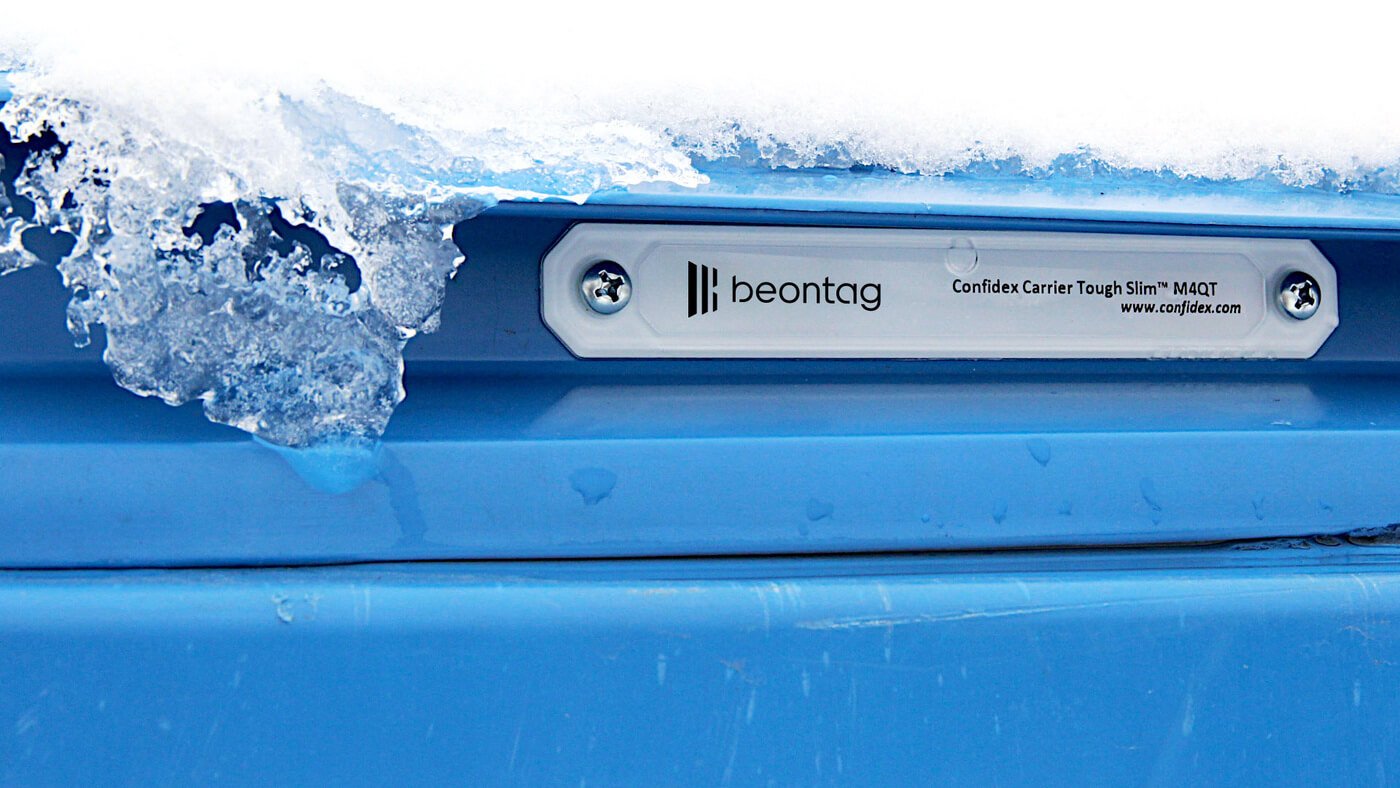
RFID tags are generally more durable and can be designed for harsh conditions, including extreme temperatures or industrial settings. This makes them suitable for environments where labels may be damaged or difficult to maintain
Accuracy and speed are central to evaluating performance. Barcode systems depend on manual scanning, which introduces the possibility of human error and slower processing times in large operations.
RFID automates data capture, reducing reliance on manual input, and improving accuracy. Faster read speeds also enhance efficiency, particularly in inventory counting and logistics processes where time impacts overall performance.
Organizations seeking to minimize errors and accelerate workflows often consider RFID. However, barcode systems can still deliver reliable results in smaller or less complex environments.
Read more: RFID in Supply Chain Management: Benefits and Applications
Barcode systems are generally more affordable, with lower upfront investment in labels, scanners, and infrastructure. This makes them accessible for businesses with limited budgets.
RFID systems require higher initial investment due to tags, readers, and integration. However, long-term benefits such as efficiency gains and reduced labor costs can offset these expenses over time.
Evaluating total cost of ownership is important when comparing options. While barcodes offer immediate affordability, RFID may deliver greater value in high-volume or automation-driven operations.
Infrastructure requirements differ significantly between these systems. Barcode implementations are relatively simple, requiring minimal setup and integration with existing systems. This allows for quick deployment and ease of use.
RFID systems involve more complex infrastructure, including antennas, readers, and software integration. This can require planning and technical expertise but enables more advanced capabilities and automation.
Organizations must consider their technical readiness when choosing between technologies. Simpler environments may benefit from barcode systems, while more advanced operations can leverage RFID’s capabilities.
Barcode systems can scale to a certain extent but may become inefficient as operations grow and require faster processing or greater visibility.
RFID offers greater scalability, supporting large-scale deployments and real-time tracking across multiple locations. This makes it suitable for businesses planning expansion or digital transformation initiatives.
Selecting a scalable solution ensures long-term efficiency. While barcode systems may meet current needs, RFID provides flexibility for future growth and evolving operational demands.
Barcode systems remain a practical solution in many scenarios. They are particularly effective in simple workflows where items are processed individually, and speed requirements are moderate.
Organizations with limited budgets often choose barcodes due to lower upfront costs and ease of implementation. This makes them suitable for small businesses or operations with straightforward tracking needs.
In environments where line-of-sight scanning is acceptable, barcode systems provide reliable performance. They are widely used in retail checkout processes and basic inventory management tasks where complexity is minimal.
RFID becomes advantageous in scenarios where speed, automation, and visibility are priorities. In RFID vs. Barcode comparisons, it stands for high volume inventory couting and real-time tracking capabilities.
Operations that require item-level visibility benefit from RFID’s ability to track individual items without manual scanning. This enhances accuracy and supports better decision-making across supply chains.
Dynamic environments such as logistics, retail, and manufacturing often rely on RFID for faster receiving and shipping processes. Its ability to operate without line-of-sight improves efficiency and reduces manual intervention.
Yes, many organizations adopt hybrid models that combine both technologies to leverage their respective strengths. This approach allows flexibility across different workflows.
For example, barcodes may be used for point-of-sale transactions, while RFID supports inventory tracking and logistics. This combination enables efficiency without requiring a full transition to one system.
Hybrid implementations can optimize costs and performance. By aligning each technology with specific use cases, businesses can achieve balanced solutions that meet diverse operational needs.
Different industries approach these technology decisions based on specific use cases. Each application has unique requirements that influence which technology delivers better results.
Understanding how these technologies perform across industries helps organizations make informed decisions. Evaluating practical scenarios highlights the strengths of each approach, especially when scalability, automation, and visibility are required.
The following sections explore common applications, including real cases from Beontag, showing how RFID is applied in different operational contexts.
Retail environments often require high accuracy and real-time visibility. In comparison, RFID supports faster inventory counts, and improved stock visibility across stores and distribution centers.
For example, fashion and retail brands use RFID to achieve inventory accuracy, enabling better stock availability and faster replenishment cycles.
Barcode systems are still widely used in retail for checkout processes and basic tracking. Combining both technologies allows retailers to balance operational efficiency and transactional simplicity.
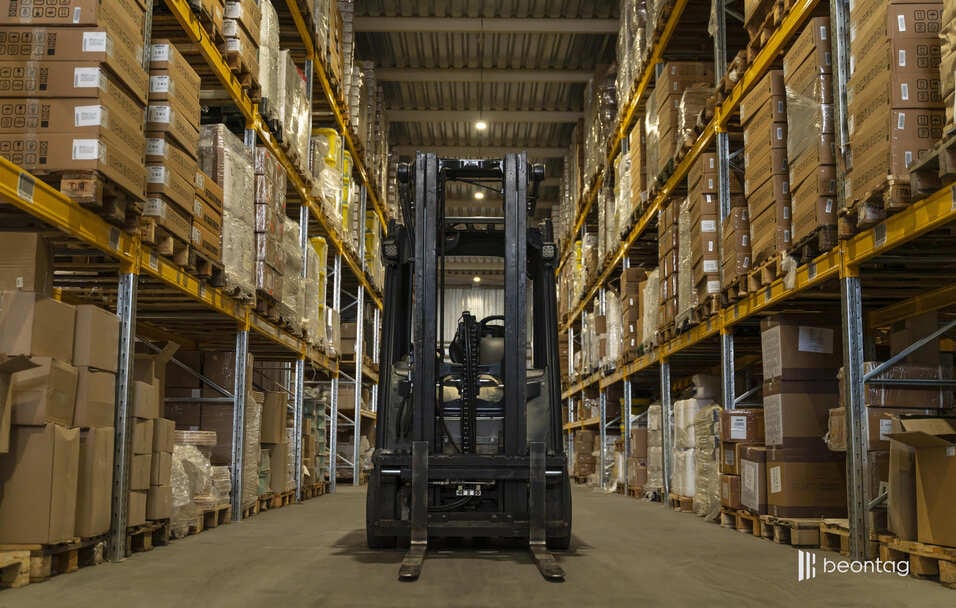
In logistics and warehousing, decisions directly impact efficiency and throughput. RFID enables bulk scanning and automation, reducing manual labor, and improving accuracy across operations.
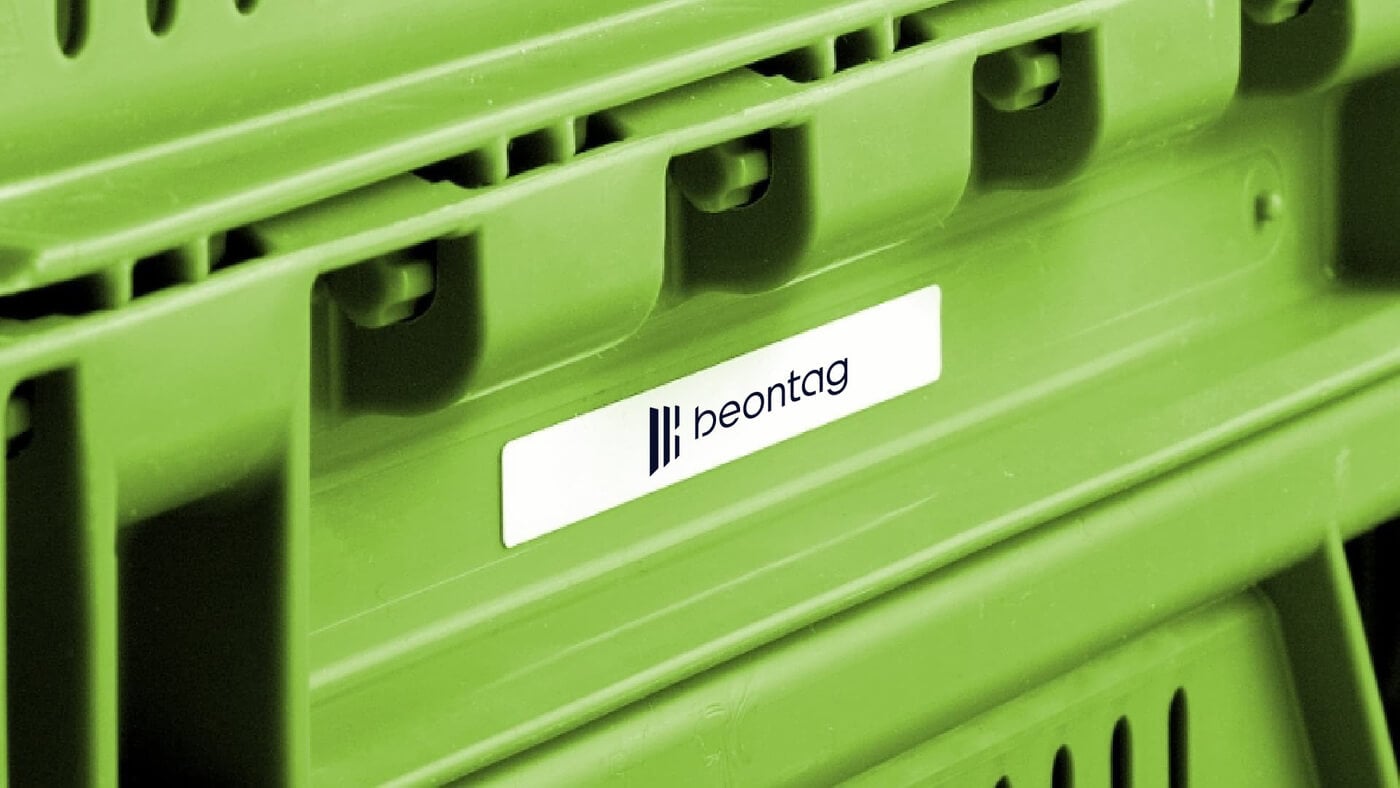
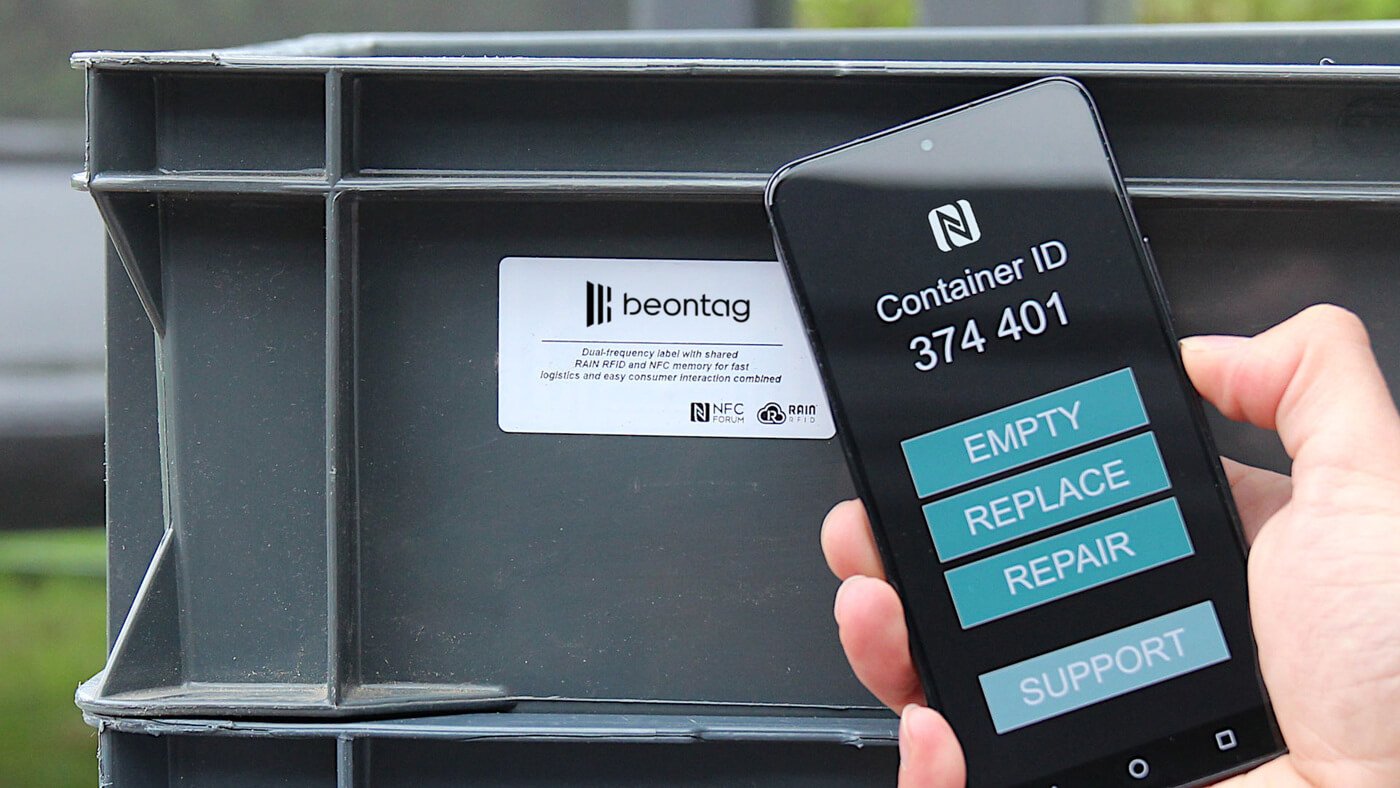
A practical example is the CHEP case where RFID tags were used to track returnable containers across the entire supply chain. This implementation enabled real-time visibility, reduced asset loss, and eliminated bottlenecks in logistics processes.
Barcode systems remain useful for labeling and basic tracking, but RFID becomes increasingly valuable as operations scale and require automation.
Asset tracking requires reliable identification and continuous visibility. In RFID vs. Barcode comparisons, RFID stands out for tracking assets across multiple locations without manual scanning.
In the CHEP case, RFID enabled tracking of assets throughout the entire value chain, ensuring data integrity and improving asset utilization across different stages of operation.
Barcode systems can still support asset tracking in static environments, but RFID provides more dynamic and scalable solutions for complex operations.
Manufacturing environments often involve continuous movement of materials and components. Comparisons highlight RFID’s ability to track items in real time without interrupting workflows.
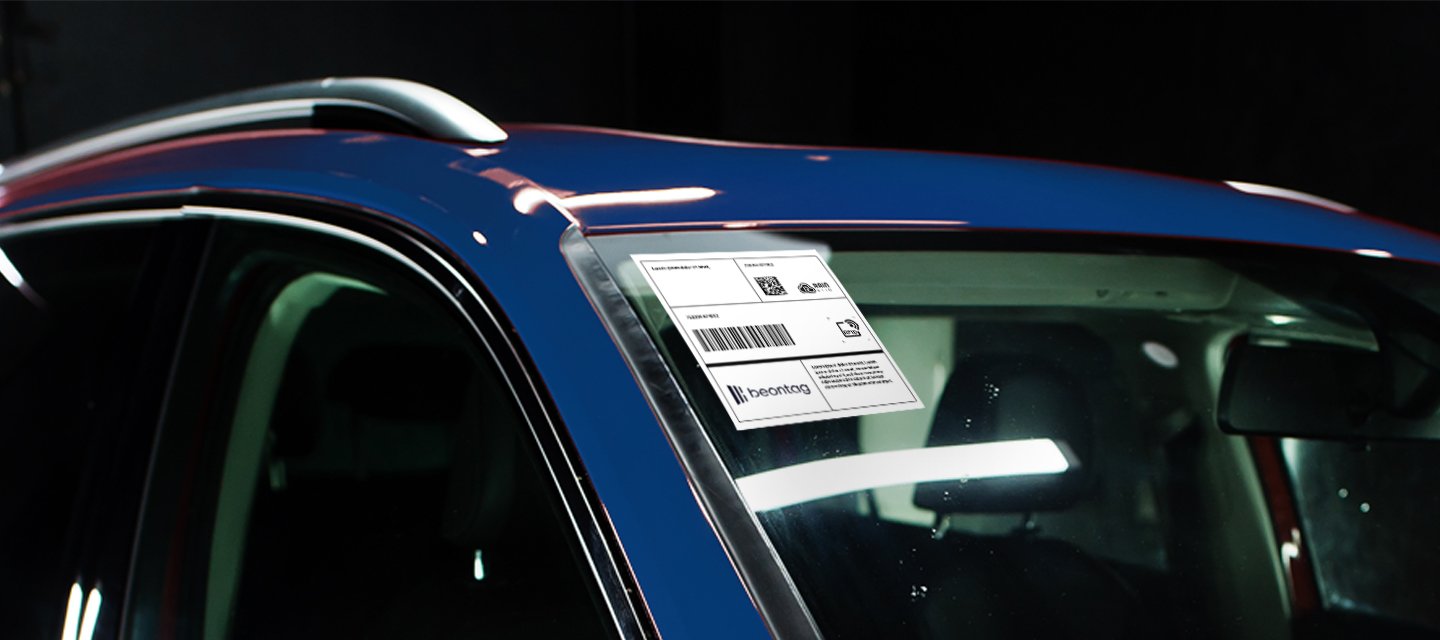
Beontag case studies include partnerships with companies like Volvo, where RFID is used to improve production visibility, automate processes, and enhance tracking across manufacturing stages.
While barcodes are still used at checkpoints, RFID enables a more connected and automated production environment with fewer manual interventions.
Read More: Volvo Boosts Smart Car Manufacturing with RFID technology
In challenging environments, durability becomes a key factor in technology decisions. RFID tags can be designed to withstand extreme conditions such as heat, moisture, and mechanical stress.
Industrial applications show RFID tags being used in demanding conditions, including rail safety systems and heavy industry, where durability and long-term performance are critical.
Barcode labels may degrade in these environments, making RFID a more reliable option when resilience and consistent performance are required.
Choosing between these technologies requires understanding your operations, workflows, and goals. Each offers different advantages, and the right choice depends on how it fits your processes, environment, and scalability needs.
Instead of focusing only on cost, it is important to evaluate how data is captured, how often it is needed, and the level of visibility required. The following questions provide a practical framework to guide your decision.
The type of assets or products being tracked is a key factor in RFID vs. Barcode decisions. High-value items, returnable assets, or frequently moving inventory often benefit from RFID’s automation and real-time visibility.
On the other hand, simple products or static assets can be effectively managed with barcode systems. When tracking requirements are straightforward, barcode technology provides a reliable and cost-efficient solution.
Understanding the nature, value, and movement of your items helps define the level of tracking sophistication required for your operations.
Frequency of scanning plays an important role in these comparisons. High-frequency operations, such as daily or real-time inventory counts, benefit from RFID’s ability to process multiple items simultaneously.
In contrast, barcode systems are better suited for lower-frequency tasks where manual scanning does not create bottlenecks. This includes periodic inventory checks or point-of-sale transactions.
Aligning technology with scanning frequency ensures efficiency without overcomplicating processes or increasing unnecessary costs.
Barcode systems require direct visibility, which can slow down operations when items are stacked, packed, or difficult to access.
RFID eliminates this limitation by enabling non-line-of-sight reading. This allows items to be scanned through packaging or in bulk, reducing manual handling, and improving workflow speed.
Evaluating how accessible your items are during operations helps determine which technology is more practical for your environment.
RFID allows each item to be uniquely identified and tracked in real time, providing detailed insights into location and status.
Barcode systems can also support item-level tracking, but they require individual scanning, which may limit efficiency in large-scale operations.
If your business depends on precise tracking and real-time data, RFID offers a more advanced level of visibility compared to traditional barcode systems.
Environmental conditions influence how technologies perform. Clean, controlled environments typically support barcode systems without major limitations.
However, in harsh or dynamic environments, such as industrial sites, outdoor operations, or areas exposed to moisture and heat, RFID tags offer greater durability and consistent performance.
Assessing environmental factors ensures that the chosen technology maintains reliability and accuracy over time.
Barcode systems generally require lower upfront investment, making them accessible for smaller operations or limited budgets.
RFID involves higher initial costs but can deliver long-term return on investment through labor savings, improved accuracy, and faster processes.
Evaluating total cost of ownership rather than just initial expense helps organizations make more strategic and sustainable decisions.
In many cases, RFID vs. Barcode does not need to be an either-or decision. Hybrid models combine both technologies, using each where it performs best within the same operation.
For example, RFID can be used for inventory tracking and logistics, while barcodes support checkout or simple identification tasks. This approach balances cost, efficiency, and flexibility.
Exploring hybrid solutions allows organizations to scale gradually and optimize performance without fully replacing existing systems.
Understanding these technologies is the first step toward improving visibility and efficiency across your operations. If your processes require greater automation, scalability, or real-time tracking, RFID can play a key role in transforming performance.
Beontag provides high-quality RFID tags designed to perform across a wide range of applications and environments. From retail to industrial use cases, the right tag makes a measurable difference in accuracy and durability.
Connect with Beontag to explore the portfolio and find the RFID solution that aligns with your business goals.