





What is RFID Access Control, And What Are Its Benefits? See How The Technology Works

Subscribe to our newsletter!Stay up to date, subscribe to our newsletter!
SubscribeNews
On-metal RFID tags are specially engineered tags designed to work reliably on metal surfaces, overcoming signal interference and enabling accurate tracking of assets in industrial and logistics environments. Discover how they work, where to use them, and how to choose the right option.


On-metal RFID tags are increasingly used as organizations expand tracking across industrial, logistics, and retail environments. As more assets include metal components, traditional identification methods lose performance, creating gaps in visibility, and making consistent data capture more difficult.
Many companies still encounter difficulties when deploying RFID on metal surfaces. Low read accuracy, unstable data capture, and unsuccessful pilots often result from using inadequate tags. Understanding the technical causes behind these limitations helps reduce errors and supports more consistent RFID performance in real-world conditions.
RFID tags designed for metal surfaces address these challenges through specific materials, antenna adjustments, and shielding techniques. These elements enable stable performance even in demanding environments. Continue reading to understand how these tags function, where they are applied, and how to select the right option for each use case.

On-metal RFID tags are RFID devices developed to function when attached directly to metallic surfaces. Unlike standard tags, they include insulating layers or adapted antenna designs that reduce signal interference. This allows consistent communication with RFID readers in environments where metal would typically disrupt performance.
These tags are used in industries that manage metal assets, such as manufacturing, logistics, and IT infrastructure. By enabling reliable identification and tracking, they support better process visibility, reduce manual intervention, and improve traceability across different stages of the asset lifecycle.
They are available in different formats depending on the application. Some are rigid and designed for industrial conditions, while others are thinner or flexible for lighter use. This variation allows alignment between tag characteristics and operational requirements, including space constraints and environmental exposure.
Standard RFID tags face performance issues on metal because metallic surfaces interfere with radio frequency signals. Metal reflects and absorbs electromagnetic waves, which affects antenna tuning and reduces communication efficiency. This often leads to shorter read ranges, unstable readings, or failure to detect the tag.
When a standard RFID tag is placed on metal, the surrounding electromagnetic field changes. This alters how the antenna operates, limiting its ability to transmit and receive signals correctly. These effects are closely related to what really affects RFID read range, especially in reflective environments.
These limitations explain why deployments using standard tags often underperform in industrial contexts. Without proper adaptation, data reliability decreases, and operational visibility becomes inconsistent, especially in environments where metal is present across assets, infrastructure, or packaging.
They are used across different sectors where metal surfaces are part of daily operations. Their ability to maintain stable performance supports tracking, identification, and process control in environments that require consistent data capture across multiple asset types.
Tracking tools and equipment improves visibility over location, usage, and availability across operations. Each tool can be uniquely identified, allowing teams to know where items are, who is using them, and whether they are returned after use.
This is particularly relevant in environments where tools move frequently between teams, shifts, or job sites. Manual control methods, such as spreadsheets or visual checks, often lead to missing items, duplicated purchases, and time lost searching for equipment during daily operations.
By using on-metal RFID tags, organizations can automate tool tracking through fixed readers or handheld devices, following the same principles of how RFID asset tracking works. This enables faster audits, reduces losses, and supports better planning, as teams can rely on real-time data instead of manual updates or assumptions.
In IT environments, they support the management of servers, racks, and electronic devices by enabling automated identification without line-of-sight. Each asset is tagged and can be read using handheld or fixed RFID readers, allowing faster inventory checks compared to manual barcode scanning.
These assets often include metallic structures that interfere with standard RFID performance. Tags are designed to operate in these conditions, maintaining stable reads even when attached directly to metal surfaces commonly found in data centers and office infrastructure.
With this approach, teams can perform regular audits in less time, reduce errors in asset records, and maintain up-to-date inventory data, similar to RFID-based inventory tracking. This improves asset tracking accuracy, supports compliance requirements, and simplifies processes such as equipment allocation, maintenance tracking, and lifecycle management.
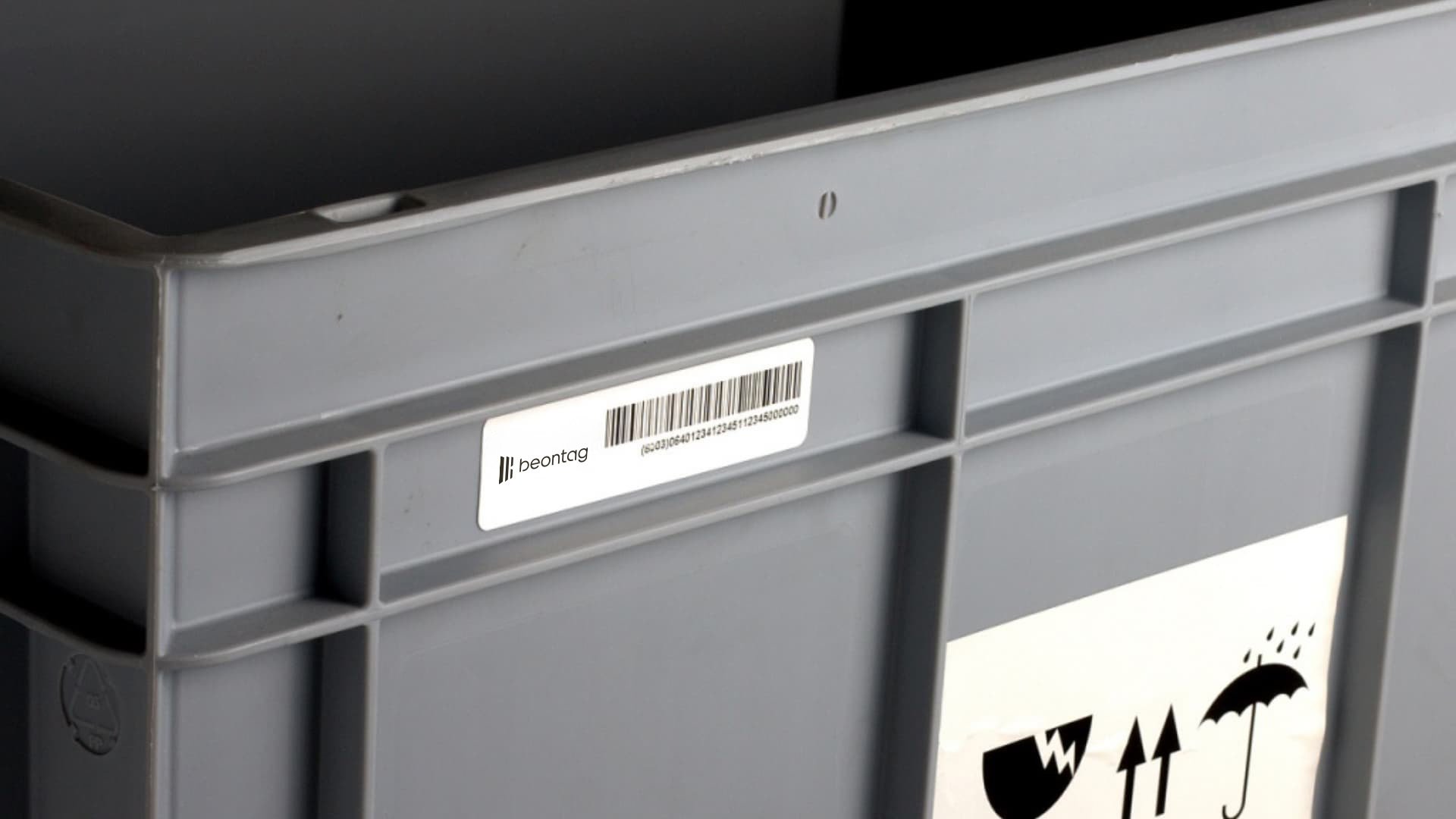
On-metal RFID tags are used in returnable transport items such as metal containers, pallets, and bins to enable continuous tracking across supply chains. Each item is uniquely identified, allowing organizations to monitor movements between warehouses, distribution centers, and partners without manual scanning.
RFID readers capture data automatically as items move through checkpoints, such as loading docks or entry gates. This provides real-time visibility into asset location and circulation, helping teams understand where items are and how frequently they are being used, as seen in RFID for supply chain management.
By using them, companies can reduce losses, avoid unnecessary asset replacement, and improve turnaround times. This also supports better planning, as accurate data allows organizations to optimize the number of assets needed in circulation.
In manufacturing environments, they enable traceability of machinery, components, and production assets throughout different stages of the production process. Tags are attached to metal parts or equipment, allowing automatic identification as they move across workstations or production lines.
RFID readers capture data at each step, creating a record of where each asset has been, how long it stayed in each stage, and its current status. This helps teams monitor workflows, detect bottlenecks, and maintain better control over production operations.
In addition, supports maintenance tracking by linking assets to service histories and usage data. This allows more structured planning of inspections and repairs, reducing downtime, and improving overall operational efficiency.
Automotive and industrial environments often involve challenging conditions such as high temperatures, mechanical stress, and exposure to chemicals. On-metal RFID tags designed for these scenarios use durable materials that maintain performance under these conditions.
Tags are applied to parts, tools, or containers and are read automatically during production, assembly, or logistics processes. This enables continuous tracking without requiring manual input, even in environments where visibility is limited or conditions are demanding, similar to applications like RFID in the cold chain.
With them, companies can maintain traceability across the entire lifecycle of components, from manufacturing to distribution. This supports quality control, simplifies recalls when necessary, and provides reliable data for operational and compliance processes.
Choosing the right tag requires evaluating multiple factors that influence performance. Each application presents unique challenges that must be addressed through proper tag selection.
A structured approach ensures that tags meet operational requirements while maintaining reliability. Ignoring key variables can lead to poor performance and increased costs.
The following considerations help guide effective decision-making when selecting on-metal RFID tags.
The shape of the mounting surface directly affects how they perform. Flat surfaces allow consistent contact and stable antenna behavior, while curved or irregular surfaces may create gaps that impact signal performance.
For curved assets, flexible tags or tags designed for cylindrical surfaces help maintain proper alignment. Without this adjustment, read consistency may decrease, especially in applications that require repeated scanning.
Understanding surface geometry before selecting the tag helps ensure that performance observed in testing can be replicated during full deployment.
Available space on the asset defines how large the tag can be. Smaller formats are often required for compact items, but reducing size can impact antenna efficiency and read distance.
Larger tags generally provide stronger performance but may not fit all assets or may interfere with normal usage. The selection process should balance physical constraints with performance expectations.
Testing different sizes in real conditions helps identify the best compromise between footprint and readability.
Read range requirements depend on how the RFID system is used. Some applications require bulk reading from a distance, while others rely on close-range identification using handheld readers.
Tags should be selected based on the distance between the tag and the reader during actual operation. Environmental factors such as interference and reader positioning also influence performance.
Defining read scenarios in advance helps avoid selecting tags that perform well in isolation but not within the full system setup.
The mounting method defines how tags are fixed to an asset and directly affects read stability and lifespan. The tag must remain firmly positioned and properly aligned with the reader to ensure consistent performance over time, especially in environments with movement or frequent handling.
Adhesive mounting supports faster deployment and lower installation effort, working well on smooth, controlled surfaces. However, exposure to heat, moisture, or repeated handling can weaken adhesion. Proper surface preparation, including cleaning and drying, is necessary to maintain attachment quality and avoid early detachment.
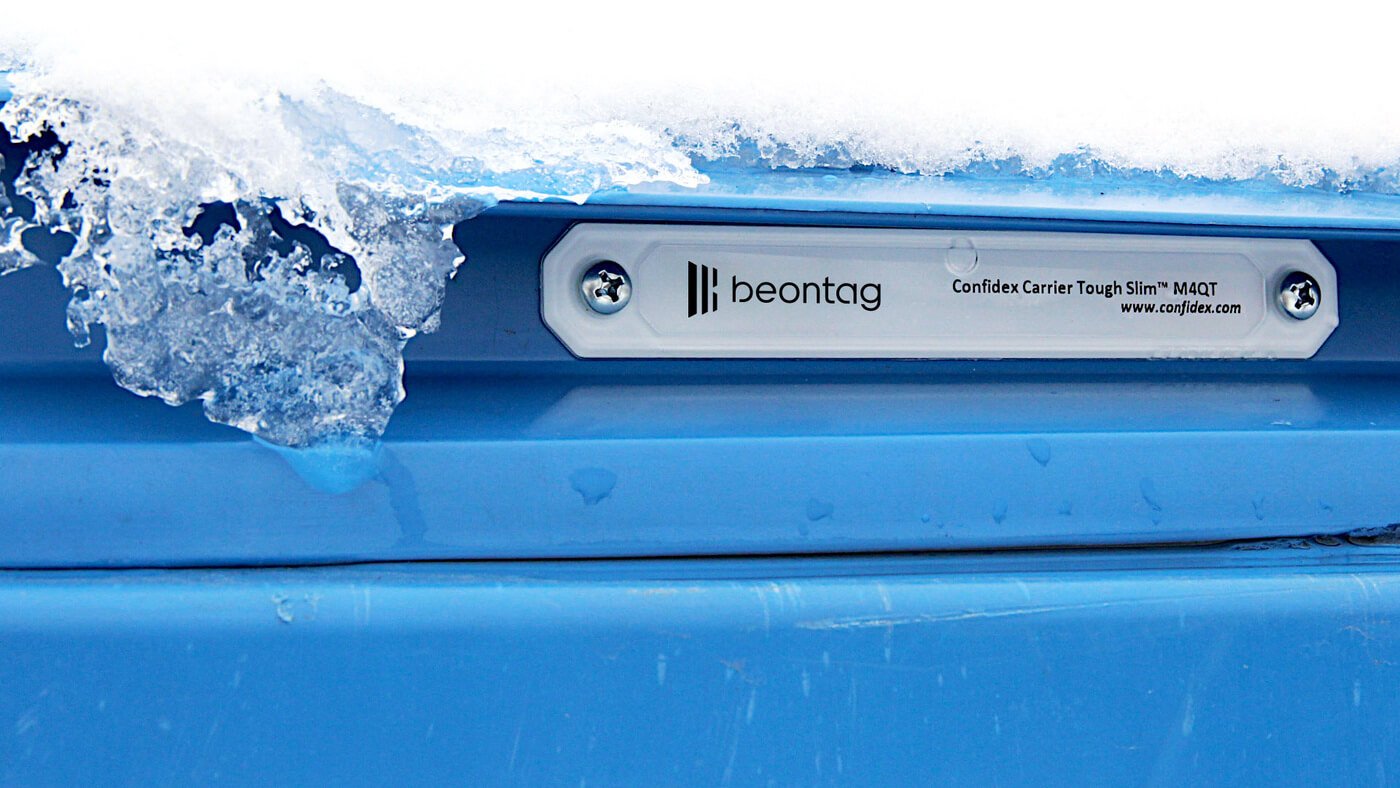
Mechanical attachment methods such as screws or rivets provide stronger fixation in industrial environments. These options are used when assets are exposed to vibration, impact or constant movement, ensuring the tag remains stable and readable without shifting position during operation.
Welding, embedding, or specialty attachments are used in more demanding scenarios. These approaches protect the tag from damage and are suited for long-term use where removal is not expected. Brackets or custom mounts can also be applied when surfaces are irregular or when standard attachment methods are not suitable.
On-metal RFID tags must be selected based on the environmental conditions they will face during use. Factors such as heat, chemical exposure, washing cycles, impact, and outdoor weather can affect both the tag structure and its ability to communicate with readers.
Tags designed for harsh environments use protective materials and encapsulation to maintain performance. Without this, exposure can lead to signal degradation, physical damage, or detachment, reducing reliability over time.
Understanding the full lifecycle of the asset, including cleaning processes, storage conditions, and operational stress, helps ensure the selected tag maintains performance throughout its use.
The frequency determines how they are read and used in practice. UHF tags support longer read distances and bulk reading, making them suitable for logistics, industrial tracking, and large-scale operations.
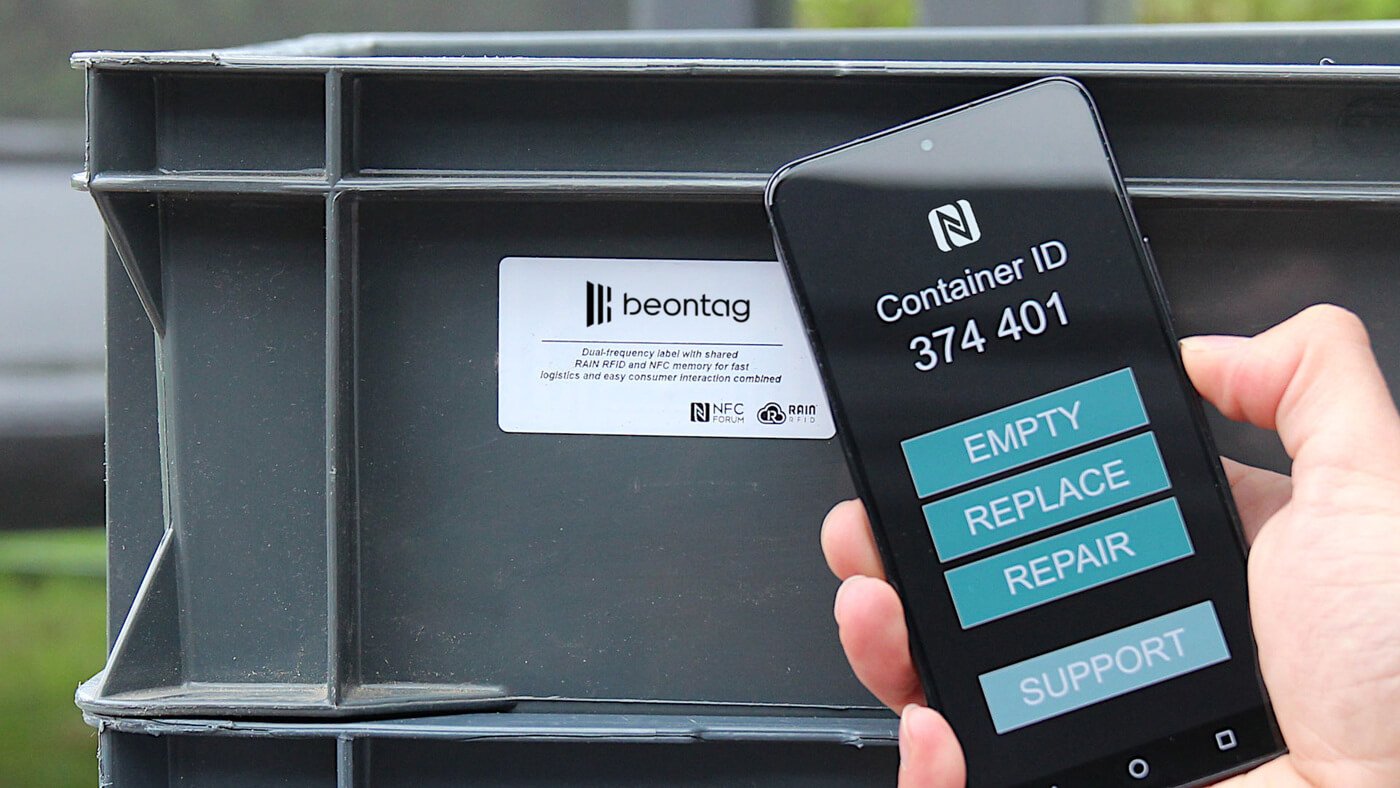
HF and NFC operate at shorter ranges and are typically used for controlled interactions. NFC, in particular, enables communication with smartphones, supporting applications such as authentication, product information, and user engagement.
Selecting the correct frequency ensures compatibility with the system and aligns with how data will be captured, whether through fixed readers, handheld devices, or mobile interaction, especially when comparing UHF vs HF RFID technologies.
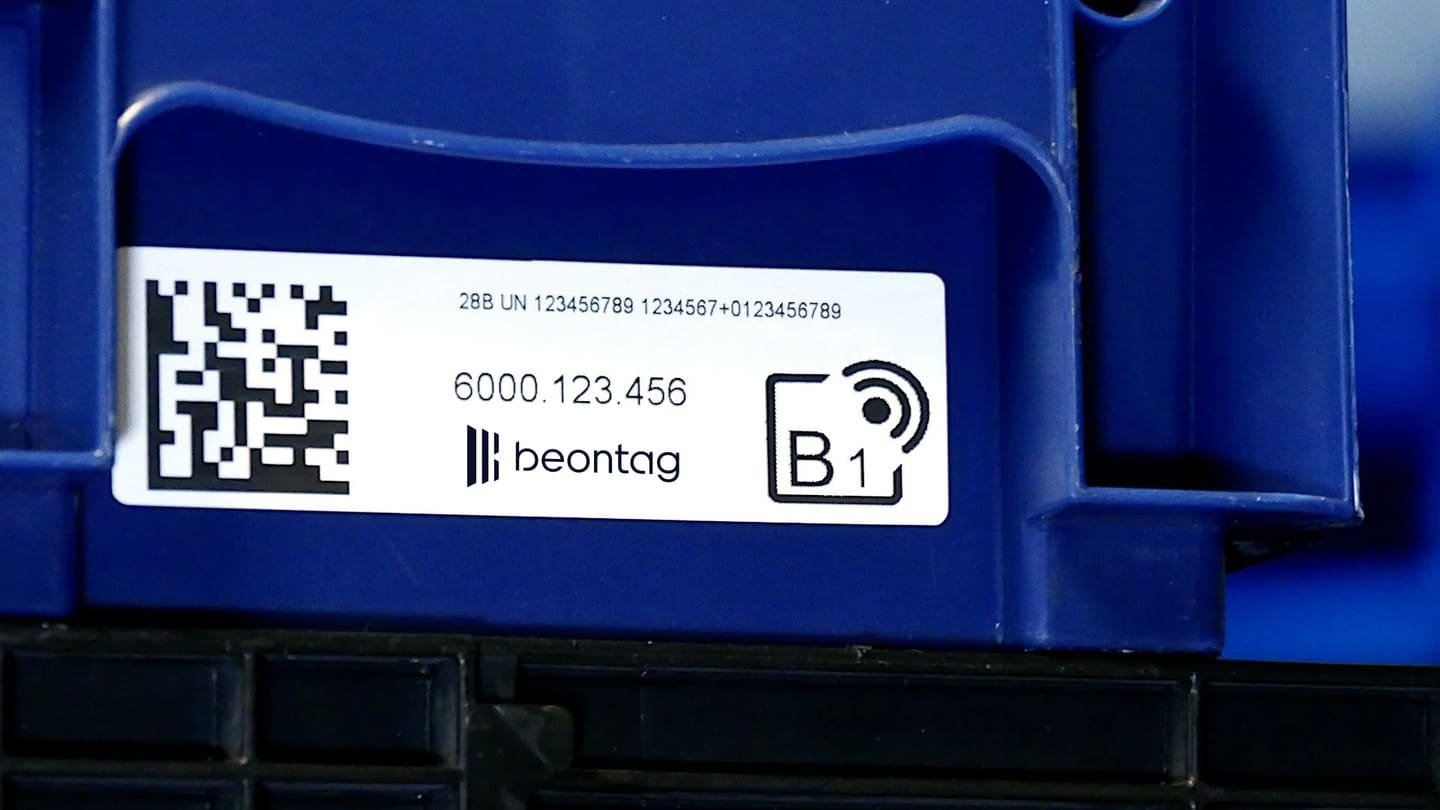
Some applications require tags to include visible information in addition to digital identification. This can include serial numbers, barcodes, QR codes, or human-readable text used during manual processes.
Tags with printable surfaces allow integration of RFID and visual identification in a single solution. This supports hybrid workflows where operators rely on both scanning and visual confirmation during operations.
Considering printability during selection avoids additional labeling steps and ensures that the tag supports both automated and manual identification requirements.
The cost varies depending on materials, design, and resistance to environmental conditions. More durable tags are built to withstand longer use and harsher environments, with increasing initial costs.
Lower-cost tags may be suitable for controlled environments or short-term use but may require more frequent replacement. This can increase operational costs over time if failures occur.
Balancing durability and cost involve evaluating how long the tag needs to last, the conditions it will face, and the impact of replacement of failure on operations.
Selecting on-metal RFID tags by use case helps align technical specifications with real operational requirements. Different environments introduce constraints that impact tag design, durability, and performance.
Real-world deployments show that performance improves when tags are selected based on context rather than a single specification. The following scenarios connect common use cases with product examples and practical applications
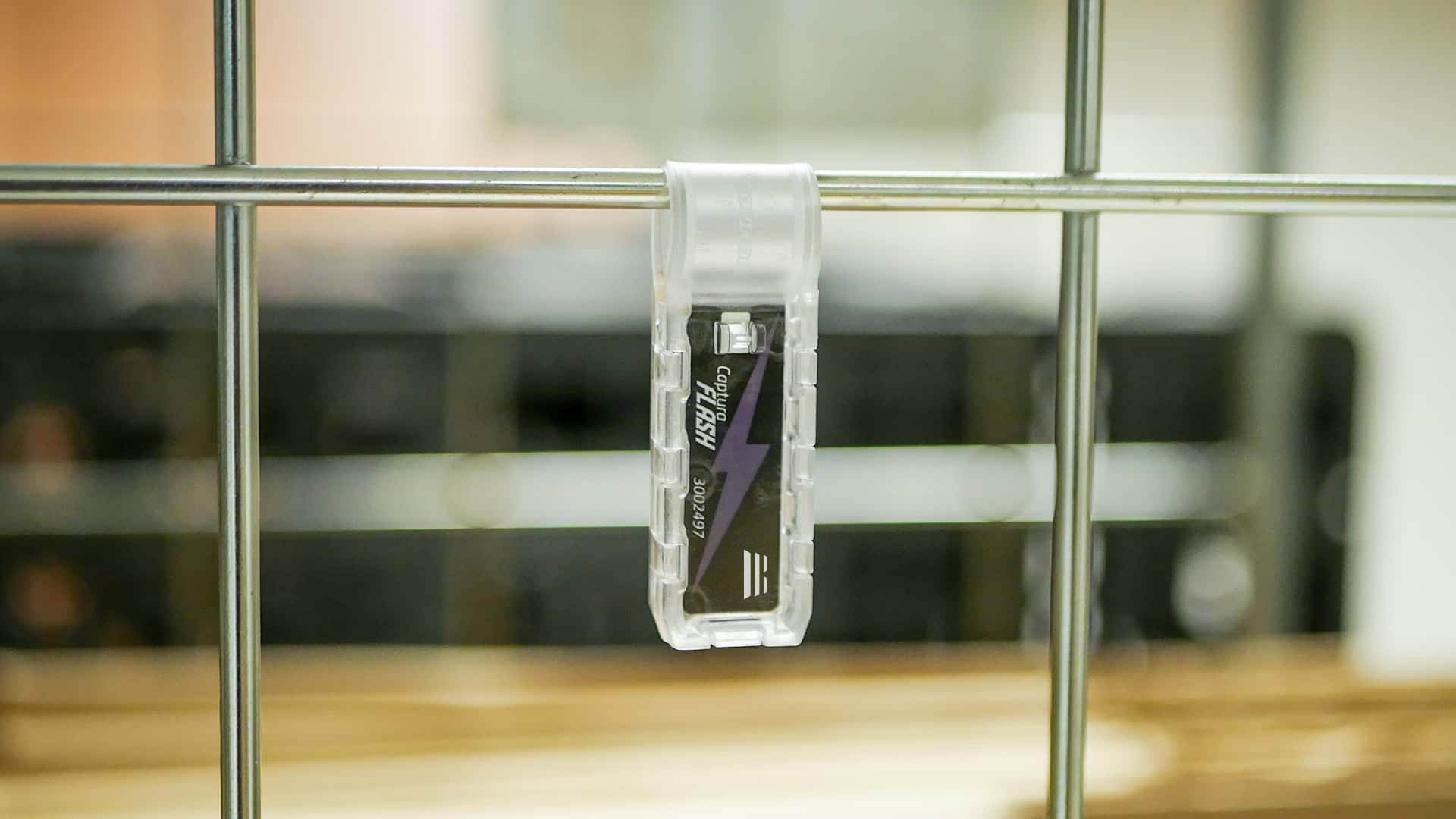
Small metal assets require compact tags that fit limited spaces while maintaining readability. Products such as the Silverline Micro II are designed for this scenario, enabling tracking of tools, IT devices, and small equipment without affecting usability.
In practice, this type of tagging supports faster audits and better asset control. A good example is the AED Group case, where RFID improved equipment visibility and operational efficiency across different locations.
These tags are typically used with handheld readers, allowing quick identification during check-in, check-out, and inventory processes.
Curved surfaces such as pipes or cylinders require tags that adapt to the shape. Flexible or curved tags are designed to maintain proper contact and stable performance even when the surface is not flat.
Without this adaptation, gaps between the tag and the surface can reduce readability and consistency. These tags are commonly used in utilities, construction, and industrial environments where assets have non-uniform geometries.
Industrial environments require rugged on-metal RFID tags that can withstand impact, vibration, and chemical exposure. Product families such as Ironside and Silverline Classic II are developed for these conditions.
A relevant example is the Magnetron case, where RFID improved production control and asset traceability in a metal-intensive manufacturing environment.
Read more: RFID guarantees Magnetron an increase in productivity
In these scenarios, durability and attachment reliability are key to maintaining consistent performance over time.
High-temperature environments require tags engineered to withstand heat exposure. Products such as Heatwave Flag Printable are designed to maintain functionality even after repeated exposure to high temperatures.
These tags are used in processes such as painting, curing, and industrial manufacturing, where standard RFID tags would degrade or fail. They enable continuous traceability across all production stages.
Retail applications involving metal packaging require thin, label-based tags that integrate with product design. Solutions such as Ferrowave Micro support item-level tracking without affecting packaging appearance.
These tags enable better inventory visibility, improve stock accuracy, and support scalable retail operations. They are designed for high-volume environments where cost and performance must be balanced.
NFC-enabled on-metal RFID tags support interaction with smartphones, enabling authentication, product information access, and connected experiences.
A strong example is Beontag’s work with Bulgari, where NFC technology connects physical luxury products to digital content and brand experiences.
These applications expand RFID beyond tracking, supporting direct interaction between users and products.
They differ from standard RFID tags in both design and performance. While standard RFID tags are optimized for non-metal surfaces, on-metal RFID tags are engineered with specific features, such as adapted antenna structures and insulating layers, that enable reliable operation directly on metal.
These structural differences result in improved read accuracy, signal stability, and durability in metal environments. In contrast, standard RFID tags may experience significant performance loss or even fail completely when applied to metallic surfaces due to signal interference.
Choosing the correct tag type is important to achieve expected RFID system performance. Aligning the tag with the asset material helps ensure consistent data capture, reduces read errors, and supports more reliable operations at scale.
When selecting tags for metal surfaces, some common mistakes can impact performance and lead to additional costs or rework:
As RFID expands across industrial, logistics, and retail environments, consistent performance starts at the tag level. In metal-heavy applications, selecting the right on-metal RFID tag directly impacts read accuracy, durability, and system reliability over time.
Beontag develops RFID tag and label solutions designed for complex environments, including a portfolio built specifically for metal surfaces. With experience across multiple industries and use cases, its solutions support scalable and consistent identification strategies.
To move forward with your RFID implementation, connect with Beontag to explore our RFID tag portfolio and better understand which solutions align with your operational needs