Applications
What Is a BLE Beacon? Understand How Bluetooth Beacons Work for Asset Tracking

Subscribe to our newsletter!Stay up to date, subscribe to our newsletter!
SubscribeRFID middleware is the software layer that filters, processes, and routes RFID data from readers to enterprise systems, enabling real-time visibility and automation. It transforms raw reads into actionable events. Explore how it works and how to choose the right solution.


RFID adoption continues to expand across industries, driven by the need for visibility and automation. As deployments grow, companies face increasing complexity in handling large volumes of data generated by readers and tags, especially when considering how RFID tags work and their role in data capture.
Without a proper data management layer, RFID systems can quickly become difficult to control. Raw reads may be duplicated, incomplete, or irrelevant, leading to confusion instead of clarity. Organizations often struggle to connect hardware outputs to business systems, limiting the overall value of their RFID investments and slowing operational improvements.
This layer addresses these challenges by acting as a bridge between devices and enterprise applications. It filters, aggregates, and enriches data before sending it to systems such as ERP or WMS.
To understand how this works in practice and how to select the right approach, continue reading this guide.

RFID middleware is a software layer that sits between RFID hardware and enterprise applications. It collects data from readers, filters redundant signals, and converts raw read into structured events that systems such as ERP, WMS, or MES can use effectively.
This layer acts as a bridge between physical operations and digital systems. By organizing data and applying logic, it ensures that only relevant information is passed forward, improving accuracy and reducing system overload.
In modern RFID deployments, middleware supports real-time data processing and integration. It enables organizations to move from isolated data capture to connected, end-to-end visibility across operations.
Works by continuously collecting data from RFID readers deployed across different operational points. These readers capture signals from tags attached to items, generating streams of raw data. The system ingests this information in real time, ensuring that no relevant event is missed during processing.
Once the data is captured, it applies filtering and transformation rules. Redundant reads are removed, events are grouped, and data is enriched with contextual details such as location or timestamp.
After processing, the refined data is forwarded to applications like ERP, WMS, or MES. These systems use the information to trigger actions, update records, or support analytics.
By managing this flow efficiently, middleware ensures that RFID data contributes directly to operational visibility and decision-making processes.
As RFID deployments grow, organizations quickly realize that capturing data is only part of the process. Managing, structuring, and integrating that data into business systems is where real challenges begin.
This is why a dedicated software layer becomes necessary to ensure efficiency, consistencyand long-term scalability across operations.
As RFID deployments evolve, organizations move beyond basic tracking and start focusing on how data can drive efficiency and visibility.
This is where middleware delivers value, turning raw reads into structured, usable information that supports real operational improvements across systems, processes, and locations.
This layer improves data quality by filtering duplicate reads and eliminating irrelevant signals before they reach enterprise systems. This ensures that only meaningful information is processed, reducing noise and increasing reliability across operations.
With cleaner datasets, organizations can generate more accurate insights. This supports better decision-making, allowing teams to track movements, identify patterns, and respond to issues with greater confidence and speed.
One of the main benefits is simplifying integration with enterprise platforms. Middleware translates raw device data into structured formats that systems like ERP, WMS, and MES can process without friction.
This enables automated workflows such as inventory updates, asset tracking, and production monitoring, within fully integrated RFID environments. As a result, businesses can connect RFID data directly to their operations without complex custom development.
Middleware provides a centralized way to manage readers and devices across different locations. This makes it easier to configure, monitor, and maintain hardware from a single interface.
With centralized control, organizations gain better visibility into device performance and can quickly address issues. This reduces downtime and ensures consistent operation across the entire RFID infrastructure.
Processing data in real time allows organizations to track operations as they happen. This enables instant visibility into item movements, inventory levels, and process status.
Real-time insight helps teams react faster to changes, avoid bottlenecks, and improve coordination across departments. It also supports more dynamic and responsive operations overall.
Middleware enables automation by applying predefined business rules to incoming data. When specific events occur, actions such as alerts, updates, or system triggers can happen automatically.
This reduces manual work and ensures consistency in how processes are executed. Over time, automation improves efficiency and allows teams to focus on higher-value tasks.
As RFID projects expand, maintaining consistency across multiple locations becomes more complex. Middleware supports scalability by standardizing data handling and device management across sites.
This allows organizations to grow their deployments without losing control over performance. It also enables centralized visibility, helping businesses manage operations at both local and global levels more effectively.
Choosing the right solution requires looking beyond basic functionality. Different platforms offer varying levels of performance, flexibility, and control, so understanding which capabilities truly support your operations is key to building a reliable and scalable RFID environment.
Selecting the right solution requires more than comparing features. It evolves understanding how the platform will handle your data, integrate with existing systems, and support operational growth over time.
A structured evaluation helps reduce risks and ensures better alignment with business needs.
Begin by defining exactly what you want to achieve with RFID. Whether it's inventory accuracy, asset tracking, or process automation, the use case determines how data should be captured, processed, and used.
Without this clarity, it becomes difficult to evaluate if a solution truly fits your needs.
RFID data only creates value when it connects to business systems. Assess how easily the platform integrates with ERP, WMS, or MES, and whether it supports APIs or standard connectors. Poor integration can lead to manual workarounds, delays, and limited visibility across operations.
Think beyond the initial deployment. The solution should handle increasing data volumes, additional devices, and multiple locations without losing performance. Strong multi-site support allows centralized control while maintaining consistency across different facilities.
Make sure the platform supports the RFID readers and devices you already use, or plan to use. Limited compatibility can restrict your options, increase costs, and complicate expansion. A flexible solution allows you to adapt hardware choices as your needs evolve.
Each deployment model affects performance and control differently. Edge processing reduces latency by handling data closer to the source, while cloud solutions offer scalability and remote access. The right choice depends on your infrastructure, data volume, and operational priorities.
Businesses need to change over time, so the system should allow you to adjust rules without complex development. Look for platforms with intuitive interfaces that make it easy to define workflows, triggers, and data logic, reducing dependency on technical teams.
Finally, consider how difficult the solution is to implement and maintain. Strong vendor support can make a significant difference during setup and scaling. A platform that is too complex may slow down adoption and increase long-term operational costs.
Even well-planned RFID projects can face challenges if key factors are overlooked during the selection process. Many issues arise not from the technology itself, but from misalignment between the solution and real operational needs.
Understanding common mistakes helps avoid rework, delays, and limited results.
It’s common to compare platforms based on feature lists, but this approach can be misleading. What matters is how those features support actual workflows.
A solution may look robust on paper but fail to align with day-to-day operations, resulting in inefficiencies and low adoption.
Integration is often more complex than expected. Connecting RFID data to systems like ERP or WMS may require customization, data mapping, and testing. Ignoring this effort can lead to delays, increased costs, and limited system performance after deployment.
Selecting a solution that supports only a narrow range of RFID devices can create constraints. This may force changes in hardware strategy or require additional investment. Broad compatibility provides flexibility and helps future-proof the deployment.
Managing readers across different locations is a critical part of RFID operations. Without proper tools for configuration, monitoring, and maintenance, performance can become inconsistent. Overlooking this aspect often leads to operational inefficiencies and higher support efforts.
Many projects start with pilots but fail to consider long-term growth. A solution that works in a small environment may not scale effectively. Planning for expansion from the beginning ensures that the system can support additional sites, higher data volumes, and more complex workflows.
An RFID system works as a connected ecosystem where each component plays a specific role. Understanding how these elements interact helps clarify where middleware fits and how it enables end-to-end visibility across operations.
Achieving end-to-end visibility with RFID depends on how well each layer of the ecosystem performs. While data processing and integration are important, everything starts with accurate and consistent data capture at the source.
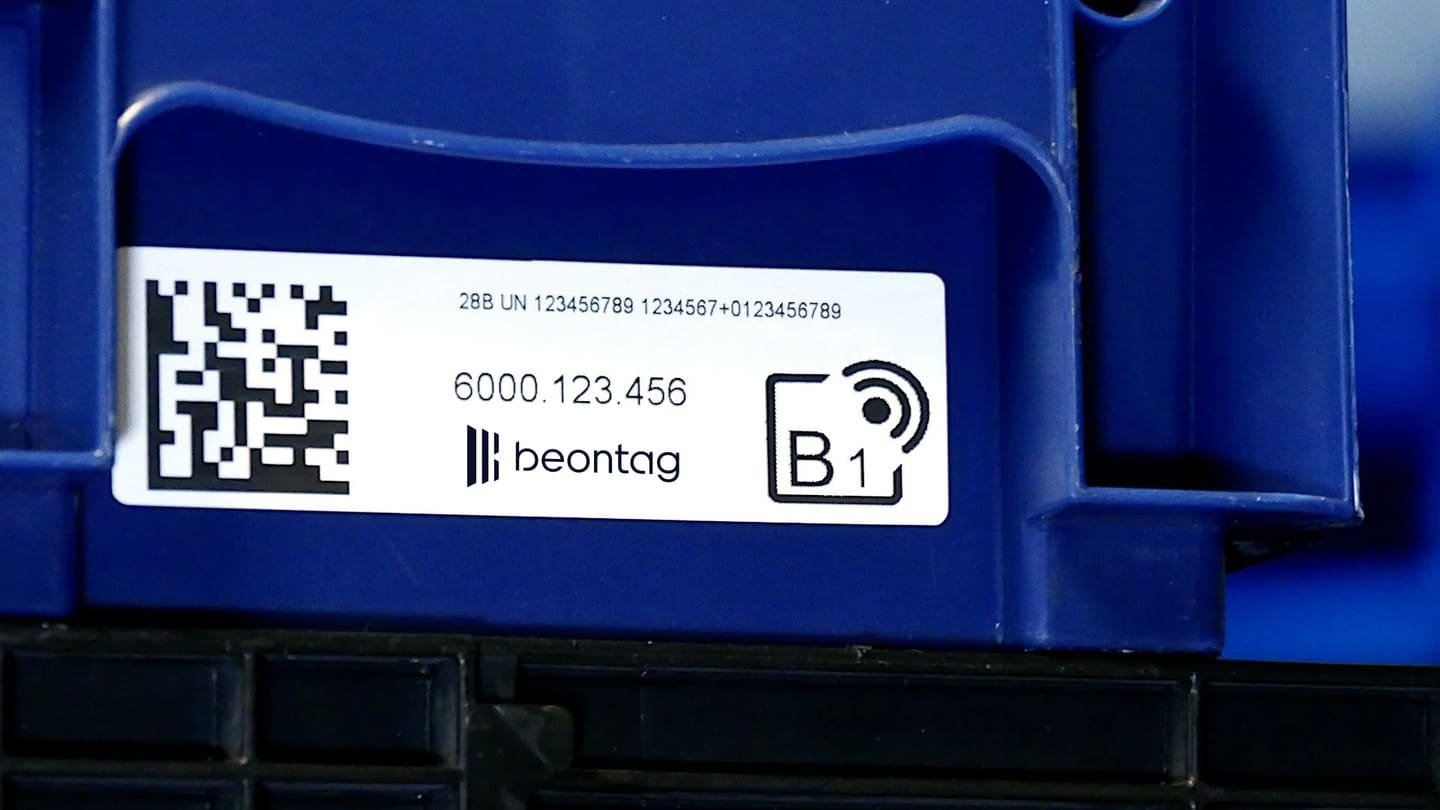
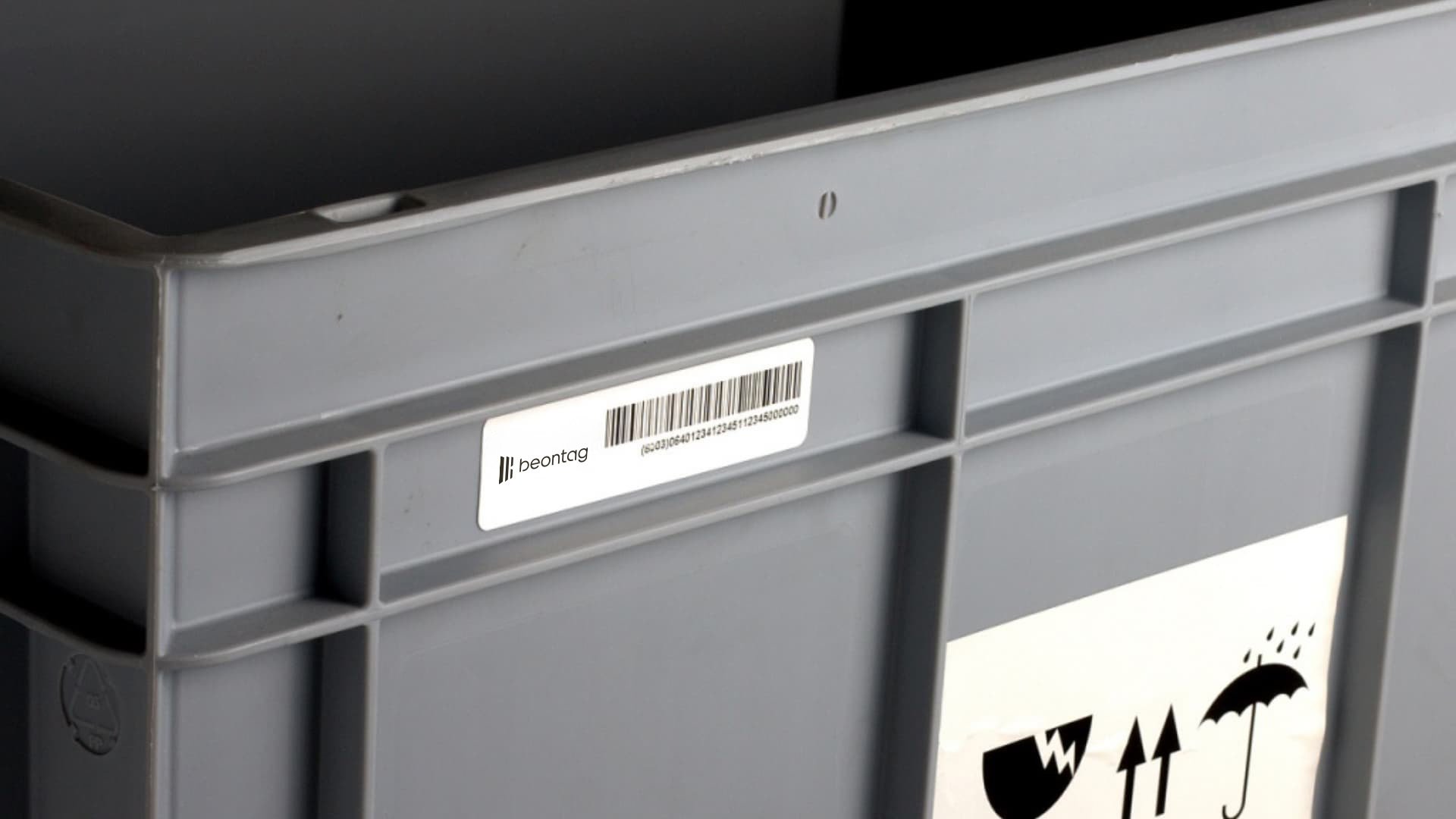
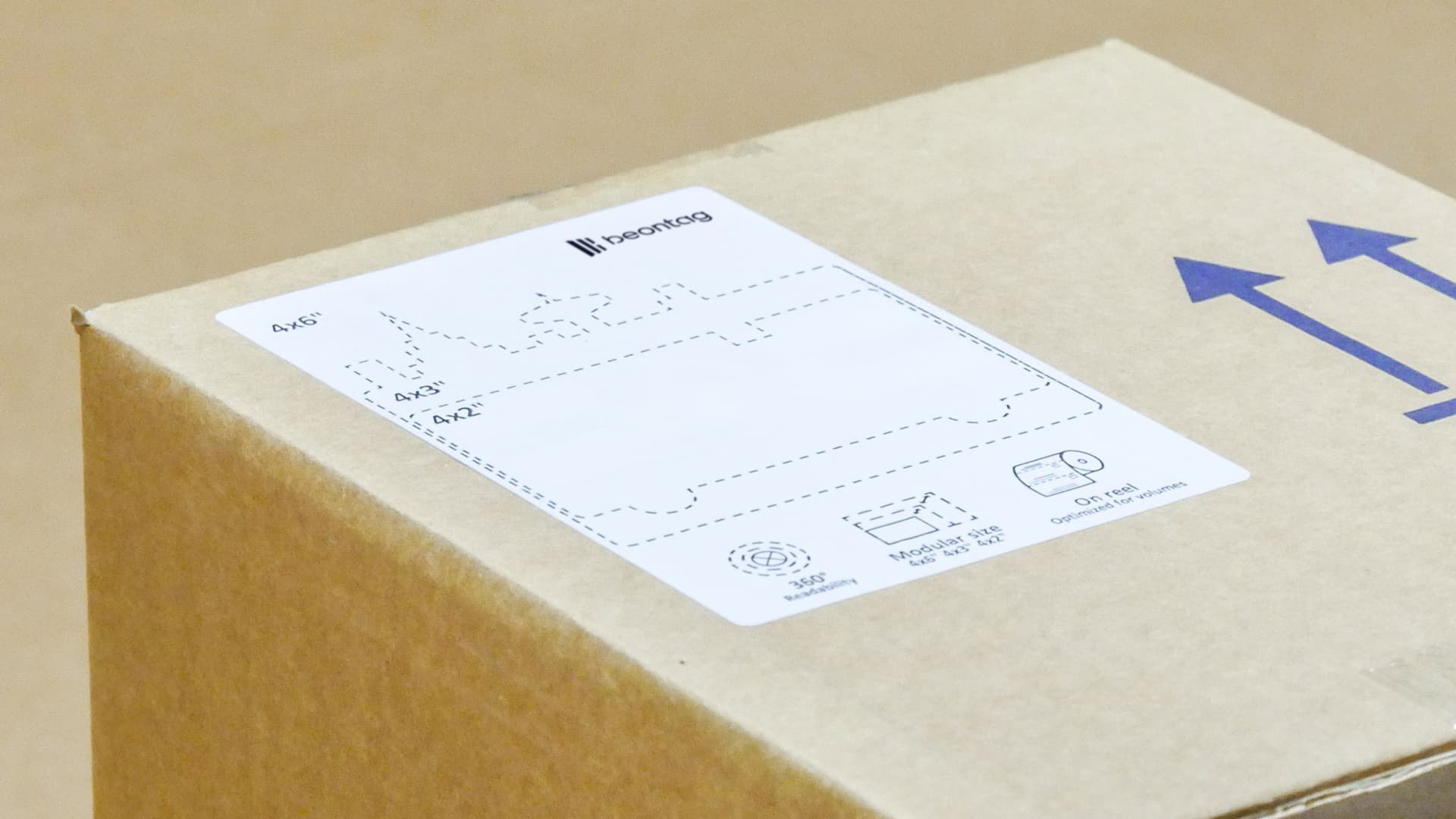
Beontag supports this process by providing high-performance RFID tags and labels designed for a wide range of applications. With reliable read rates and adaptability to different environments, these solutions help improve data quality and overall system performance.
Get in touch to explore Beontag’s portfolio and see how the right tagging solutions can strengthen your RFID strategy and support scalable, efficient operations.