


What is RFID Access Control, And What Are Its Benefits? See How The Technology Works

Subscribe to our newsletter!Stay up to date, subscribe to our newsletter!
SubscribeAn NFC tag is a small wireless chip that enables short-range communication between physical objects and digital devices, often smartphones. It can store data, trigger actions, and support authentication or connected experiences. Discover how NFC tags work and how to choose the right type.


Near field communication has become part of everyday digital interactions, from mobile payments to connected packaging experiences. As more brands and industries look for faster ways to share information, the NFC tag has gained attention for enabling simple and contactless communication between physical objects and digital systems.
Despite its growing adoption, many companies still struggle to understand how different technologies fit specific applications. Choosing the wrong tag type, memory capacity, or format can affect performance, compatibility, and user interaction. This creates uncertainty for businesses exploring connected products, authentication systems, or customer engagement solutions.
Understanding how this technology works makes it easier to evaluate available options and match them to practical business needs. From tag types and memory capacity to packaging compatibility and industrial applications, this guide explains the main aspects of NFC tags and how companies can select the right solution for their projects.
What is an NFC tag?
An NFC tag is a passive wireless communication device that uses Near Field Communication technology to exchange data with compatible devices at close range. It typically consists of a microchip and antenna embedded into a physical format such as a label, sticker, card, or hard tag.
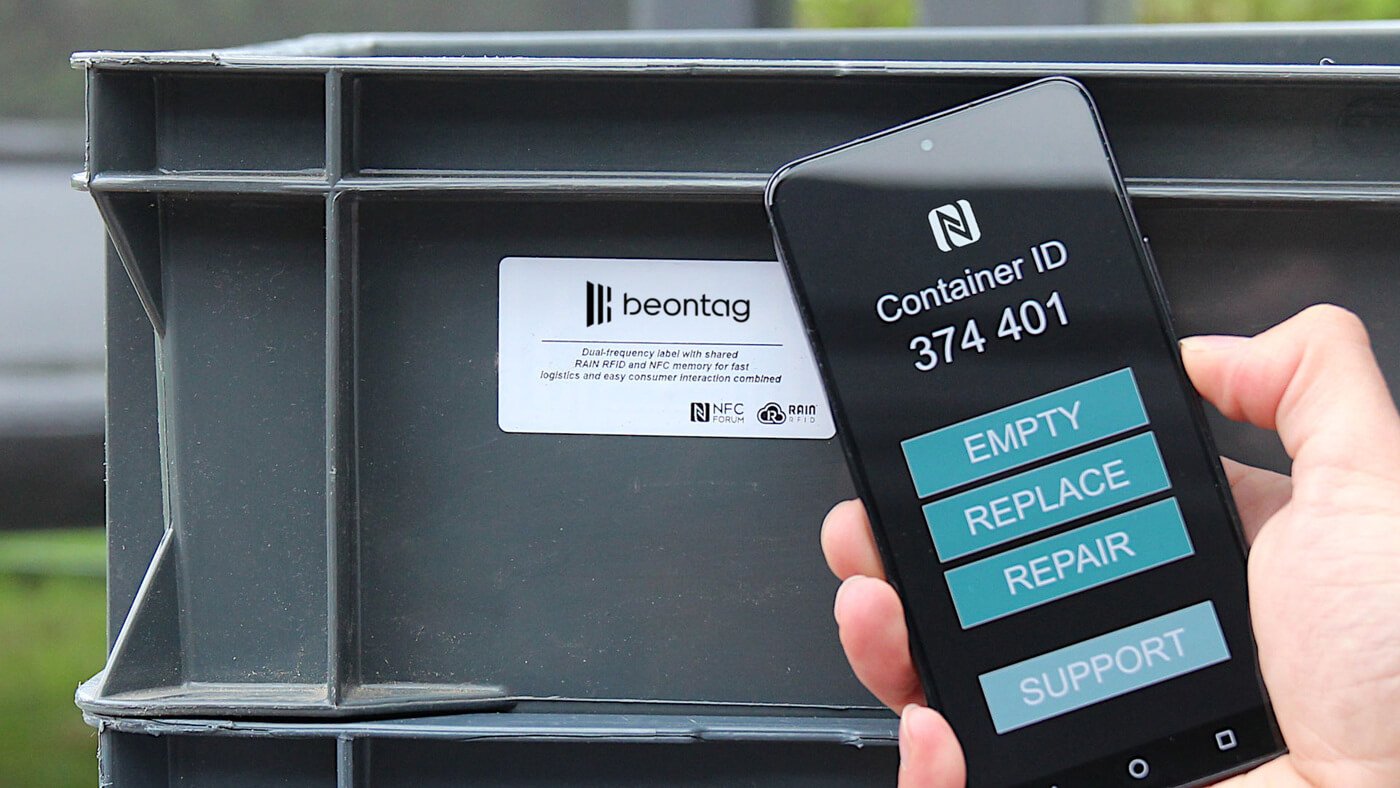
Unlike QR codes or barcodes, these tags do not require optical scanning or manual alignment. Communication happens automatically when a compatible device, usually a smartphone or reader, is placed near the tag. This creates fast and intuitive interaction between physical products and digital systems.
NFC technology is based on high-frequency RFID standards operating at 13.56 MHz. The tag enables applications ranging from secure authentication and contactless access to connected packaging and product engagement across multiple industries.
How does an NFC tag work?
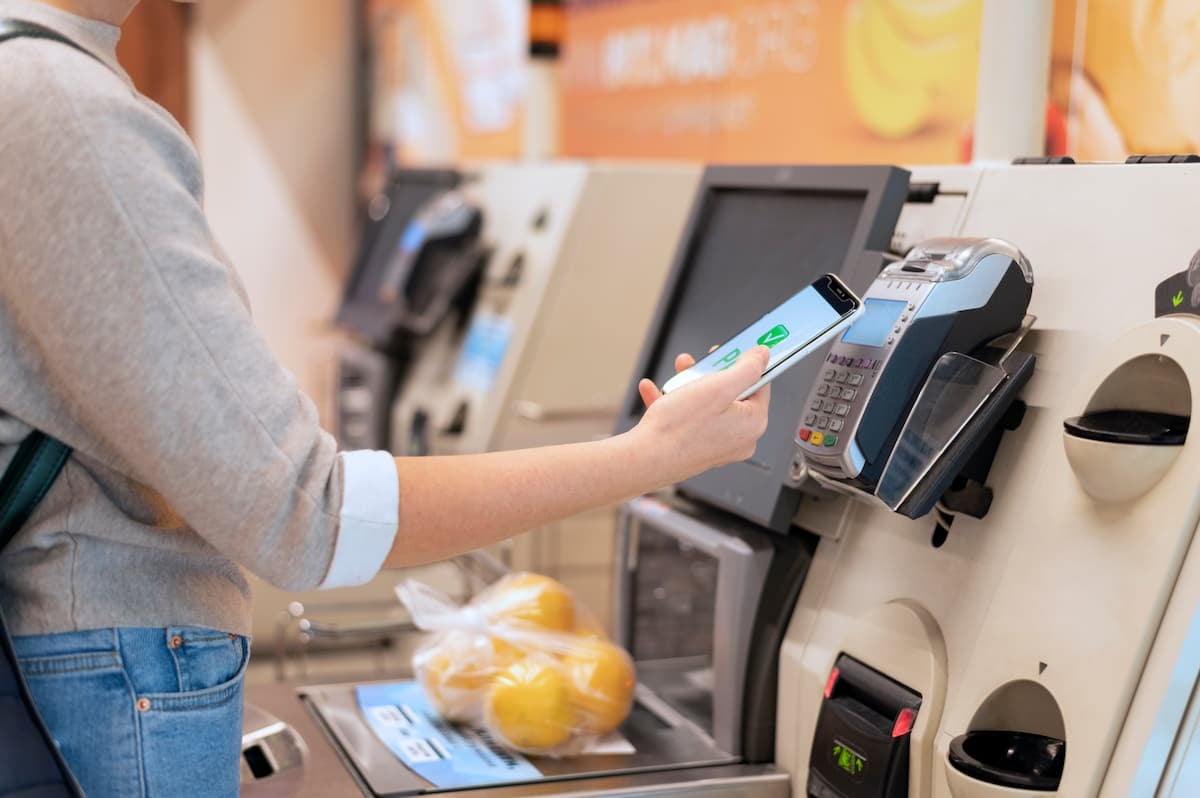
An NFC tag works through short-range wireless communication. When a smartphone or reader with near field communication is brought close to it, the reader generates an electromagnetic field. That field powers the microchip inside the tag, allowing it to send stored information instantly, without needing a battery.
The structure has three main components:
Because communication happens only within a few centimeters, the interaction is fast and controlled. When someone taps a phone against the tag, the device reads the stored instruction and performs the programmed action, such as opening a webpage, sharing contact details, connecting to Wi-Fi, or validating product information.
What can an NFC tag store?
The information stored in a tag depends on the chip’s memory and how it is programmed. Some applications only require a simple action, while others support more detailed records for connected products, automation, or authentication.
URL
One of the most common uses is storing a website link. When a user taps the tag with a smartphone, it can automatically open a product page, instruction manual, campaign landing page, or any digital experience connected to that physical item.
Text
A tag can also store plain text directly in its memory. This may include short instructions, product details, identification numbers, or informational messages, which can be read instantly without needing to access an external website.
Contact details
Digital contact information can be saved in the tag, allowing users to instantly receive a full contact profile. This may include a person’s name, company, address, job title, and even social media links, making it useful for digital business cards.
Email / phone
A tag may be programmed to initiate communication actions. For example, it can automatically open an email draft addressed to a specific contact or start a phone call, helping users connect quickly with customer service, sales teams, or technical support.
Bluetooth pairing data
It can store the information needed to pair devices through Bluetooth. This allows products such as headphones, speakers, printers, or smart devices to connect faster, eliminating the need to search manually in system settings.
Wi-Fi credentials
A tag can contain Wi-Fi connection data, including the network name and password. By tapping it, users can connect their device to a wireless network instantly, which is common in offices, hotels, events, and smart environments.
App commands
Some tags are programmed to trigger commands on mobile devices. They can open a specific application, launch a digital tool, play media content, or activate automated actions, supporting both consumer experiences and operational workflows.
Product/authentication data
For connected products, a tag can store serialized identifiers, product details, or authentication records. This enables traceability and anti-counterfeiting solutions, allowing consumers or companies to verify whether an item is genuine and access related product information.
NFC tag types explained
Different NFC tags are classified into five main types defined by the NFC Forum. Each type has specific characteristics related to memory, speed, compatibility, and security.
Understanding these differences helps companies choose the right option based on how the tag will be used, from simple consumer interactions to industrial applications.
Type 1 NFC Tags
Type 1 tags are designed for basic applications and generally have lower memory capacity. They are often used for simple tasks such as storing short information or triggering basic actions, making them suitable for entry-level implementations where only limited data needs to be stored.
These tags are rewritable and can also be configured as read-only after programming. Because of their lower complexity, they are commonly selected for projects that prioritize cost efficiency over advanced functionality.
Type 2 NFC Tags
Type 2 tags are among the most widely used in consumer applications. They offer more memory than type 1 and are compatible with many smartphones, which makes them common in smart posters, connected packaging, and retail campaigns.
Their balance between affordability and flexibility allows them to support actions such as opening websites, sharing product information, and enabling customer engagement experiences through simple tap interactions.
Type 3 NFC Tags
Type 3 tags support faster data transfer and usually provide larger memory capacity. They were originally developed for more complex systems, including transportation and infrastructure applications where speed and efficient communication are important.
Because they can handle larger amounts of data, they are often used in environments that require more advanced information exchange rather than basic marketing or packaging applications.
Type 4 NFC Tags
Type 4 tags offer advanced capabilities, including larger memory options and stronger security features. They are often used in applications where secure communication or controlled access to data is required.
This type is common in authentication systems, secure digital credentials, and connected products that need to store more complex information, such as serialized product records or protected user data.
Type 5 NFC Tags
Type 5 tags are designed for applications that may benefit from longer reading distances and stronger performance in industrial environments. They are often used for asset management, logistics, and equipment identification.
Their structure supports more demanding operational conditions, making them suitable for industrial workflows where durability, traceability, and consistent performance are important.
NFC tag memory: what it means and why it matters
Memory refers to how much data the chip can store. This determines what type of information can be programmed into the tag, from a simple website link to more complex records such as authentication data, multiple actions, or connected product information.
The available memory affects not only storage capacity but also how flexible the solution can be. Some applications only need a few bytes to trigger a simple action, while others require more space to support richer user experiences, product traceability, or secure data exchange.
Choosing the right memory size matters because it impacts both functionality and cost. Selecting too little memory may limit future use, while choosing a higher-capacity chip for a simple application can increase costs unnecessarily.
Small memory tags
Small memory tags are designed for simple interactions that require only a small amount of stored data. They are commonly used for actions such as opening a URL, displaying short text, or sharing basic contact information.
These tags are often chosen for marketing campaigns, product labels, and entry-level connected experiences because they provide a cost-effective option for large-scale applications with straightforward interactions.
Mid-range memory tags
Mid-range memory tags can store more detailed information and support broader functionality. They are commonly used for applications such as digital business cards, Wi-Fi credentials, app commands, and connected packaging experiences.
This category offers a balance between storage capacity and cost, making it suitable for businesses that need more than a simple redirect but do not require highly complex data structures or advanced security features.
Higher-memory or advanced tags
Higher memory tags support more complex applications where larger amounts of data need to be stored directly on the chip. This may include product authentication records, serialized identifiers, encrypted data, or industrial workflows.
These tags are often used in anticounterfeiting solutions, asset tracking, and advanced connected products, where additional memory supports more sophisticated interactions and future scalability.
Common NFC tag formats
Tags are available in different physical formats depending on how they will be applied and the environment where they need to operate. The right format depends on factors such as
the product surface, durability requirements, and whether the application is consumer-facing, retail, or industrial.
Main NFC tag use cases
This technology is used in different industries to connect physical objects with digital information. Depending on the application, a tag can support product verification, customer interaction, automation, and asset management, making it useful in both consumer-facing and industrial environments.
Product authentication and anti-counterfeiting
One of the most common applications is product authentication. A tag can store unique serialized data that allows consumers or companies to verify whether an item is genuine, helping brands fight counterfeit products and improve supply chain transparency.
See how Bulgari used NFC to connect authentication and product experience: Bulgari implemented NFC technology
Smart packaging and connected products
In smart packaging, a tag links a physical package to a digital content. Consumers can tap the product to access information such as instructions, product origin, sustainability details, or interactive experiences, creating a direct connection between the item and digital platforms.
Retail and customer engagement
Retailers use this technology to improve customer interaction in stores. Tags placed on shelves displays, or packaging can provide instant access to product information, promotion tutorials, or loyalty programs, making the shopping experience more interactive.
Business cards and contact sharing
Digital business cards are a growing use case. Instead of exchanging printed cards, users can share their contact information instantly by tapping a card, badge, or device, simplifying networking and reducing paper use.
Wi-Fi sharing, pairing, and automation
A tag can simplify technical actions such as connecting to Wi-Fi networks, pairing Bluetooth devices, or triggering automated commands on smartphones. This makes it useful in smart homes, hospitality, offices, and connected consumer devices.
Asset and item interaction
In industrial and logistics environments, tags are used to identify equipment, tools, or products. Workers can tap a tag to access maintenance records, inspection data, or operational instructions, improving traceability and workflow efficiency.
How to choose the right NFC tag
Choosing the right tag depends on the intended application, the environment, and the type of user interaction. Evaluating a few key factors helps ensure the selected solution matches both technical and operational needs.
1. What action should the tag trigger?
Start by defining what the tag needs to do. It may open a webpage, share contact information, connect a device, or support product authentication. The intended action determines the chip features and configuration required.
2. How much usable memory do you need?
The amount of memory affects how much data can be stored. Simple applications may only need enough space for a URL, while connected products or authentication systems may require more capacity for detailed records.
3. Will the tag be rewritten or locked?
Some projects require rewritable tags so the stored information can be updated after deployment. Others need the content to remain fixed, which means the chip can be permanently locked after programming.
4. Do you need password protection or advanced security?
Security requirements depend on the use case. Marketing applications may not need extra protection, while product authentication, access control, or sensitive data often require password protection or advanced security features.
5. What surface will it be applied to?
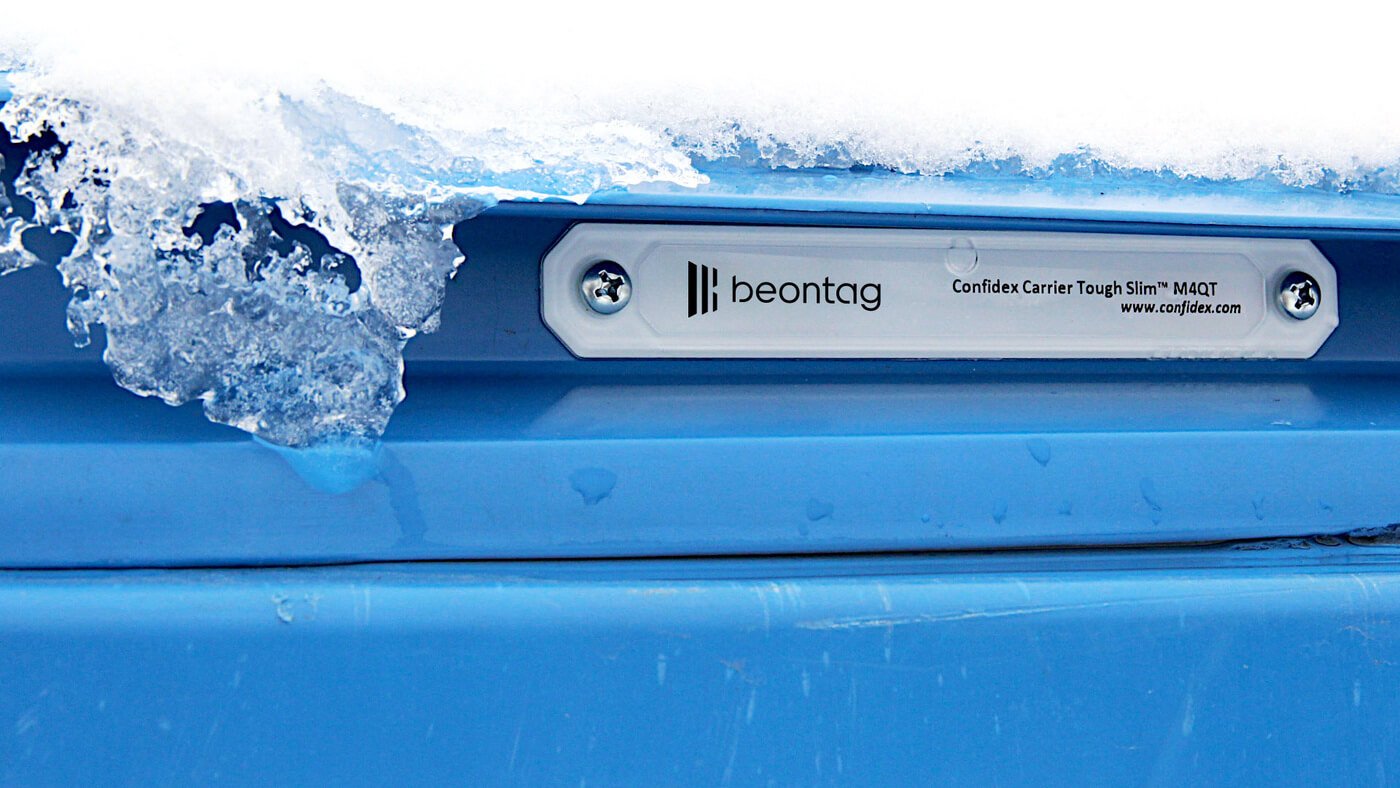
Materials where the tag will be placed directly impact performance. Paper, plastic, and cardboard work with standard constructions, while metal surfaces require specialized on-metal designs to avoid signal interference.
6. Is the use case consumer-facing, industrial, or retail?
The application environment helps determine the most suitable construction. Consumer-facing uses often prioritize convenience, while industrial or retail operations may require greater durability and resistance.
7. Do you need a sticker, card, hard tag, or on-metal construction?
The physical format should match how the tag will be attached and used. Stickers and labels are common for packaging, while cards, hard tags, and on-metal versions are more suitable for identification or industrial applications.
Explore NFC solutions for connected products with Beontag
As connected products and smart packaging continue to evolve, choosing the right NFC solution can improve how brands interact with consumers and manage product information. The right tag depends on factors such as memory, format, durability, and the type of experience a company wants to create.
Beontag develops NFC-enabled solutions that support applications such as smart packaging, customer engagement, product authentication, and connected experiences across different industries. By combining material expertise with connected identification technologies, the company helps brands integrate digital functionality into physical products.
If your business is exploring connected packaging or interactive product experiences, understanding the available NFC options is the first step. Contact Beontag to learn more about it and discover how NFC technology can support your next project.