


What is RFID Access Control, And What Are Its Benefits? See How The Technology Works

Subscribe to our newsletter!Stay up to date, subscribe to our newsletter!
SubscribeRFID enables long-range, bulk reading for large-scale tracking, while NFC supports short-range, secure interactions with smartphones. Understand which technology fits your use case and how to choose the right one for your business.


RFID and NFC technologies are widely used to identify objects, automate processes, and improve visibility across industries ranging from retail to logistics and manufacturing. Despite sharing similar principles, confusion often arises when comparing RFID and NFC, especially regarding capabilities, cost, and applications.
Both technologies use radio waves, but they differ in range, structure and interaction models, which directly impact how they are applied in real operational environments.
This article explores how each technology works, where they are applied, and how businesses can decide between them. By the end, you will understand their strengths, limitations, and how strategic adoption can improve efficiency, accuracy, and user engagement in different scenarios.

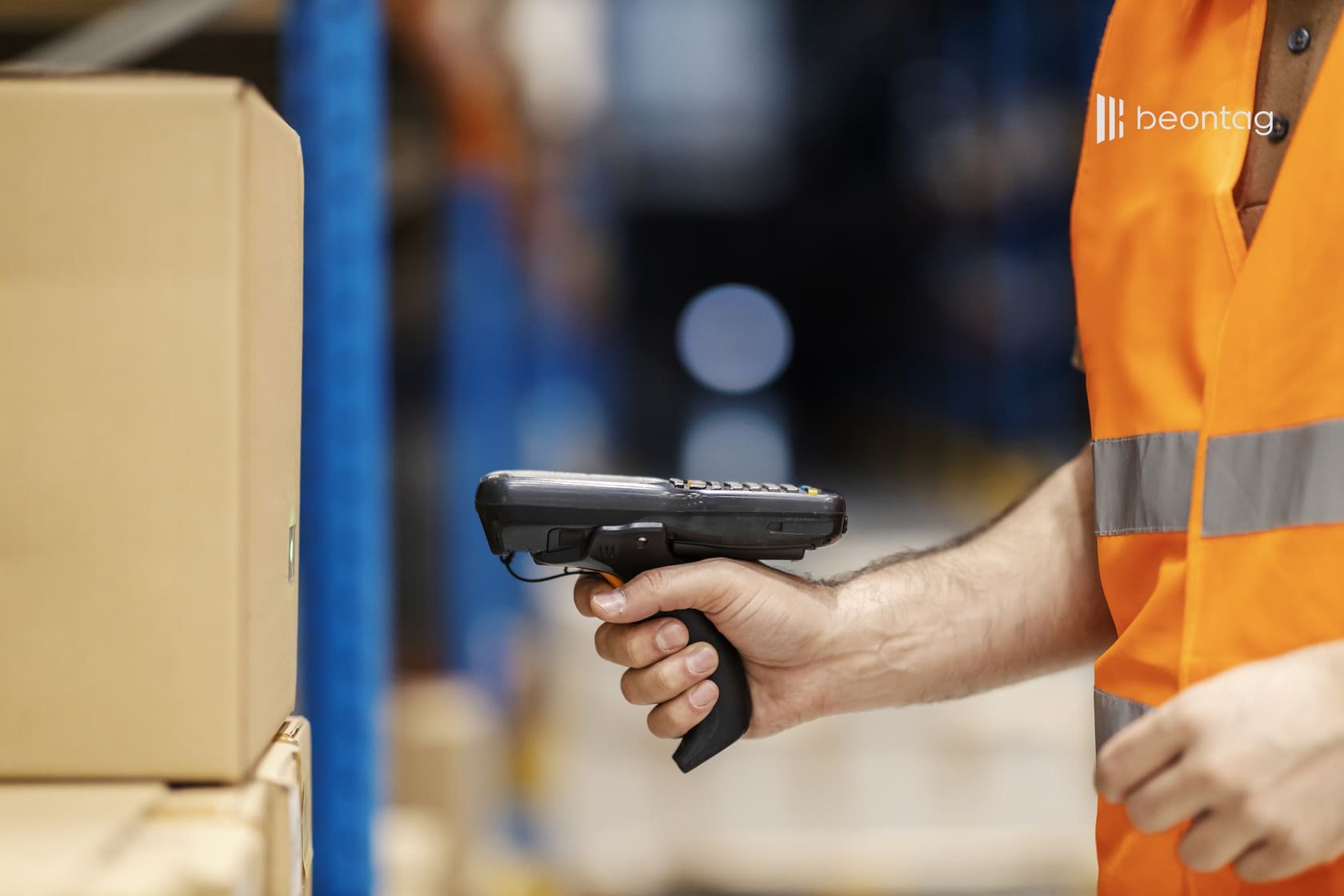
RFID (Radio Frequency Identification) is a wireless technology that uses radio waves to identify and track objects equipped with tags. These tags store data can be captured by RFID readers without requiring direct line of sight, enabling fast and automated data collection in complex environments, especially in scenarios like inventory tracking
RFID systems typically include tags, readers, and a backend system that processes captured data.
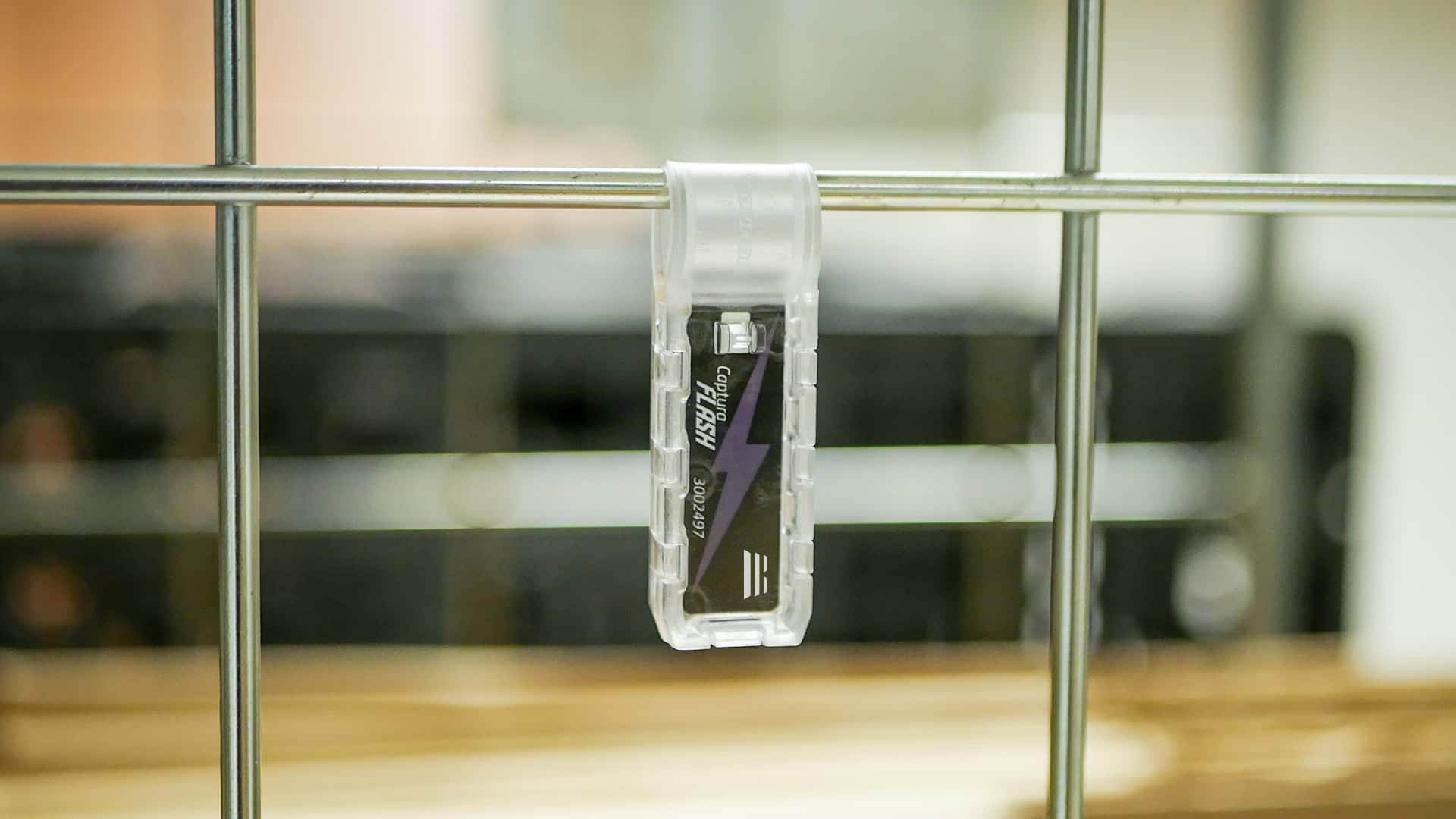
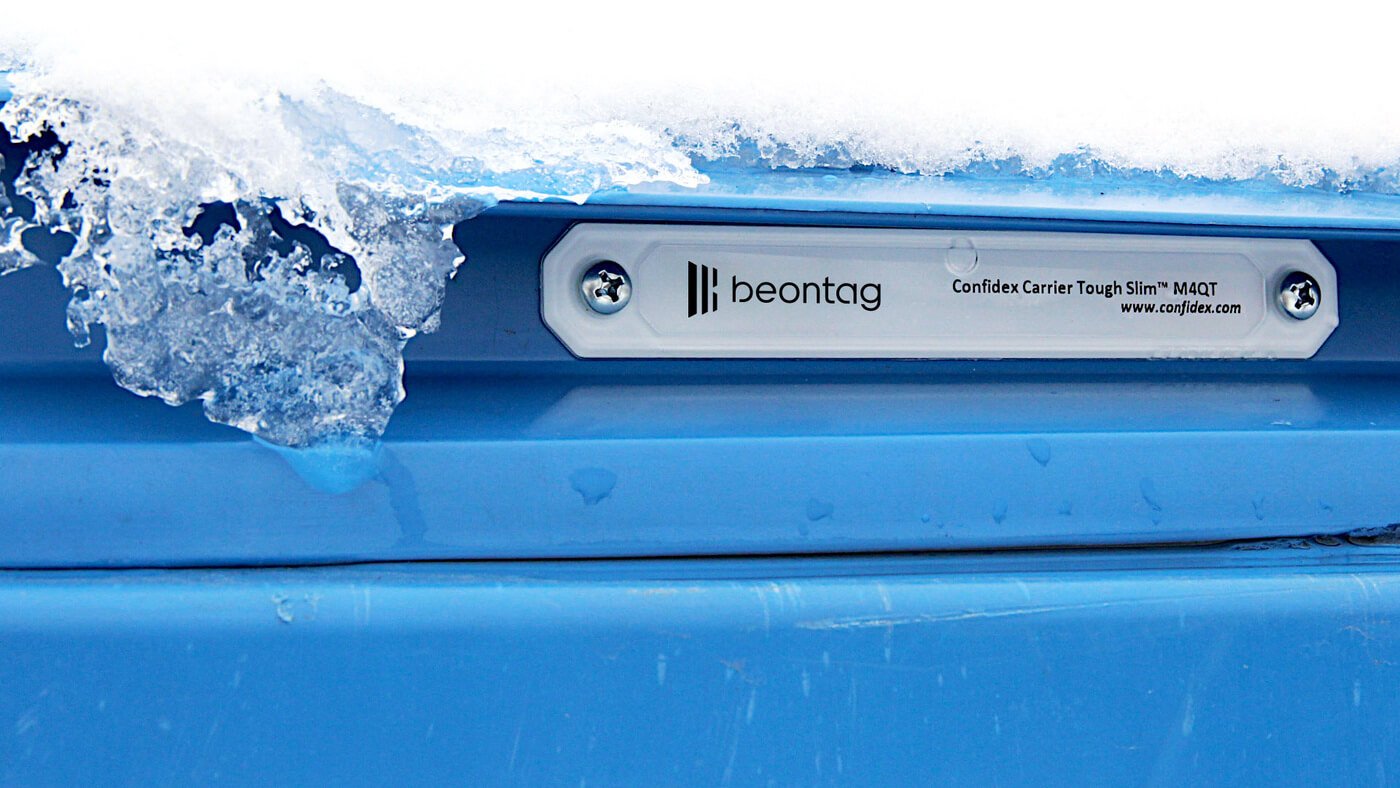
Tags can be passive, active, or semi-passive, depending on whether they rely on reader power or have an internal energy source. Different RFID tag types (UHF, HF, LF) are designed to support specific use cases, environments, and performance requirements.
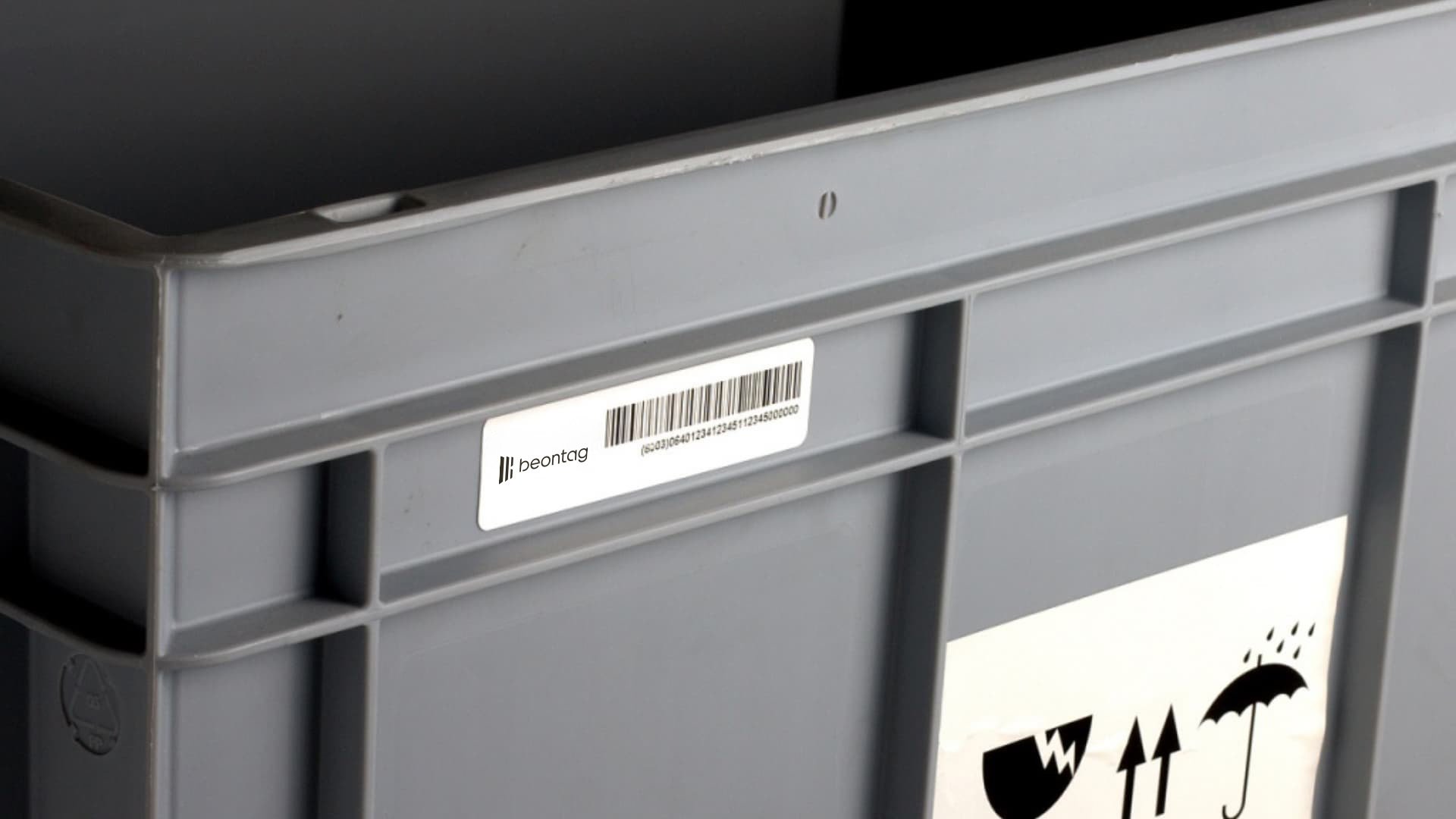
This technology stands out for its ability to handle multiple tags simultaneously over varying distances. This makes it suitable for environments where scalability, speed, and automation are required, such as warehouses, supply chains, and asset tracking operations.
RFID is widely adopted across industries because it supports automation, scalability, and real-time data capture. From inventory control to logistics and industrial processes, its ability to read multiple items without line of sight makes it a strong choice for operations that require speed, accuracy, and visibility.
Near Field Communication (NFC) is a specific type of RFID technology that works based on short-range wireless signals which enables data exchange between devices when they are brought within a few centimeters of each other. It operates at 13.56 MHz and is designed for secure, intentional interactions in consumer and business environments.
Unlike broader RFID systems, NFC requires proximity to function, which reduces unintended reads and enhances control over data exchange.
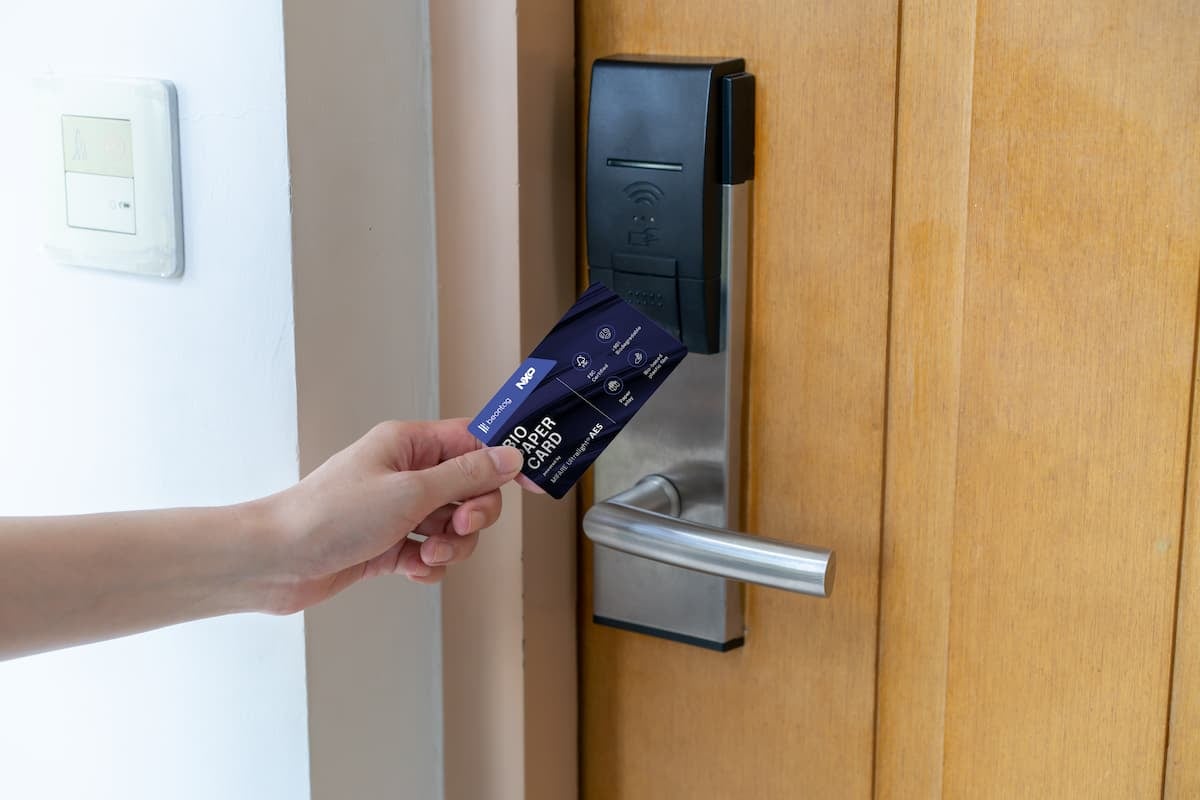
This makes it particularly suitable for applications where user action such as tapping a smartphone or card is required to initiate communication.
NFC is commonly associated with user-driven interactions rather than automated tracking. Its integration into smartphones and contactless devices has made it widely accessible, supporting use cases that combine convenience, speed, and security.
NFC is used in scenarios where user interaction, security, and simplicity are priorities.
Its tap-based functionality enables direct engagement between physical objects and digital content, making it highly effective in consumer-facing applications such as payments, authentication, and connected packaging experiences.
The main difference between is how they are used: UHF (Ultra-High Frequency) RFID enables long-range, simultaneous reading of multiple tags for large-scale tracking, while NFC supports short-range, one-to-one interactions typically used with smartphones for secure, intentional engagement.
Although RFID and NFC are based on the same underlying principle of radio frequency communication, they are designed for different purposes.
This distinction becomes more evident when analyzing how each technology performs in real-world scenarios, from operational scale to user interaction and system requirements.
The differences between these technologies go beyond technical specifications and extend to how they are deployed and integrated into business processes. Factors such as range, compatibility, and interaction type directly influence which solution is more suitable for a given application.
Below, we break down the key differences between RFID vs NFC to clarify how each technology operates and where it delivers the most value.
RFID operates across multiple frequency ranges, including low frequency (LF), high frequency (HF), and ultra-high frequency (UHF).
NFC operates exclusively at 13.56 MHz, within the HF band, which limits its range but ensures consistent and controlled communication between devices.
One of the most noticeable differences between RFID and NFC is reading distance. RFID systems, especially UHF, can read tags from several meters away, with performance influenced by multiple factors such as environment and materials, as detailed in what affects RFID read range.
NFC, in contrast, operates within a few centimeters, requiring proximity and enabling more controlled and intentional interactions.
RFID systems typically require dedicated readers and infrastructure, which are common in industrial and enterprise environments, where selecting the right hardware such as RFID readers directly impacts performance.
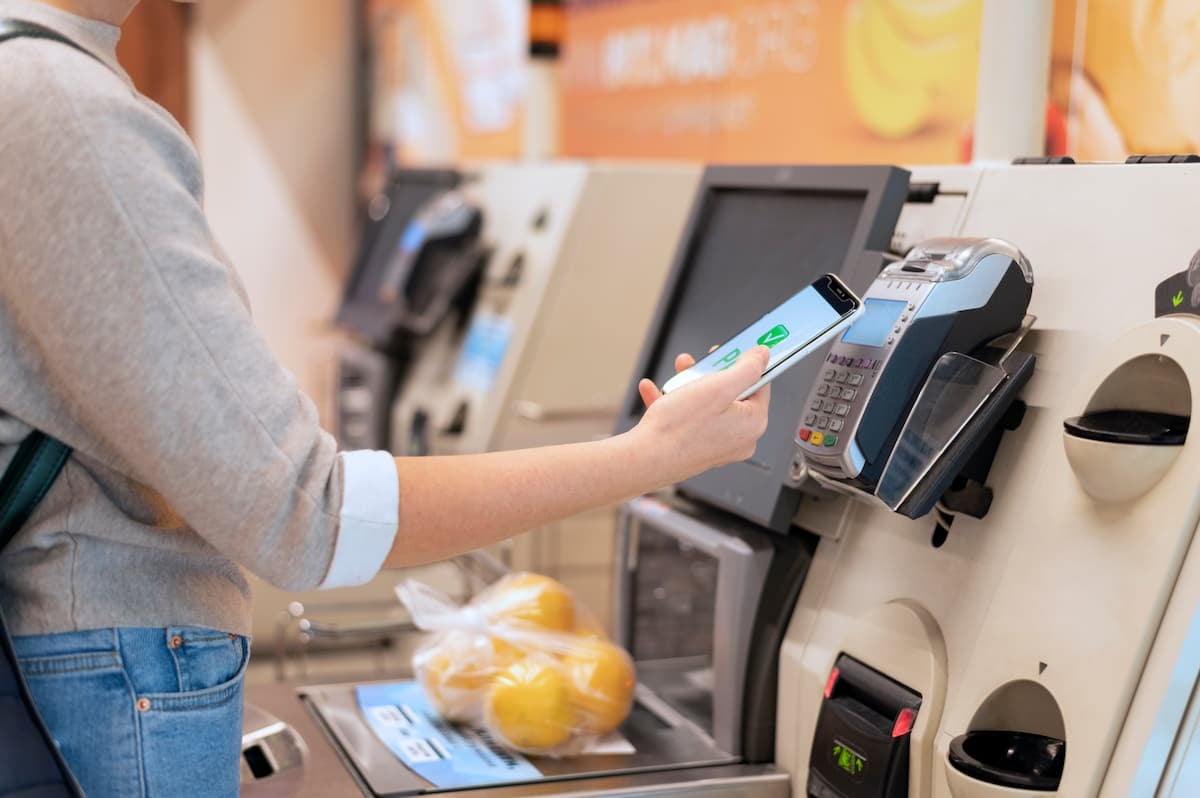
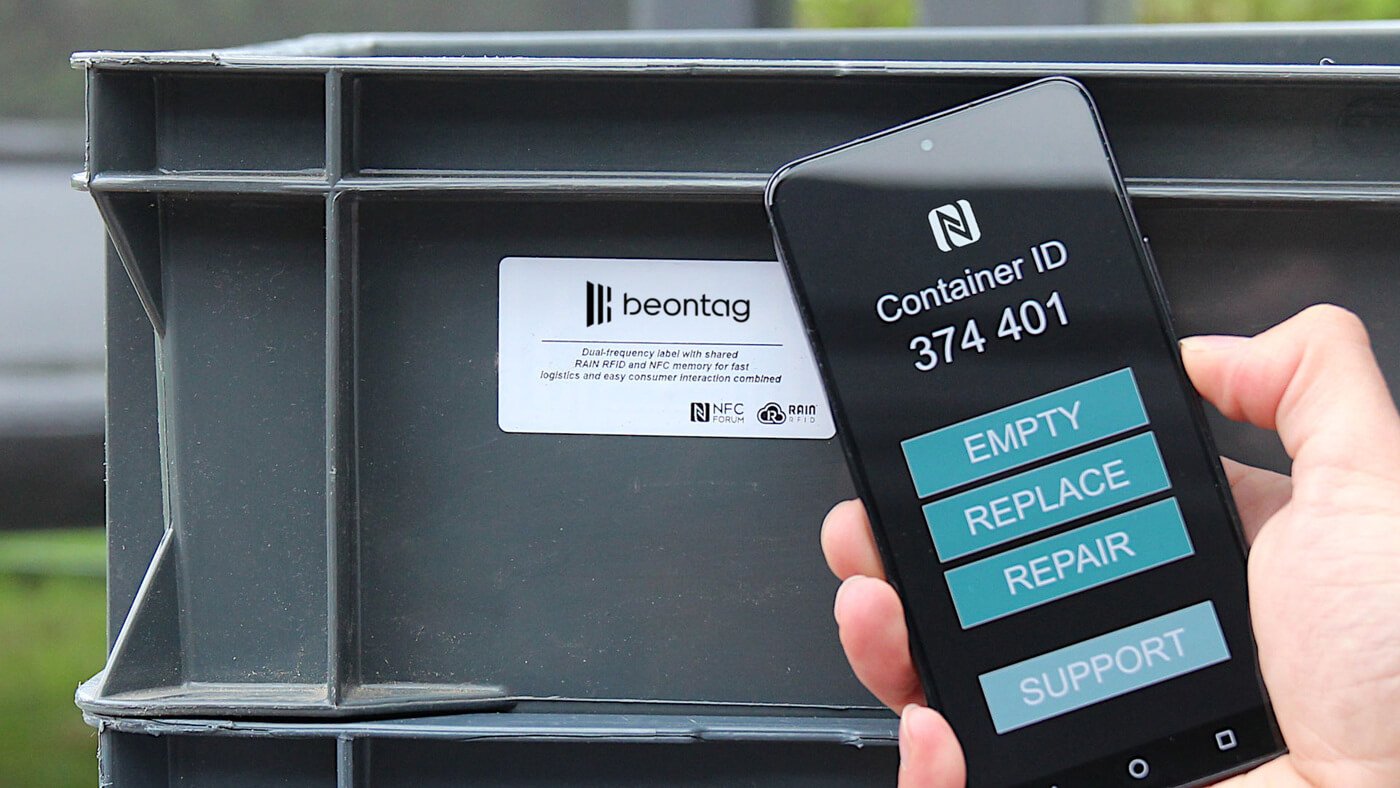
NFC is integrated into most modern smartphones and consumer devices, allowing users to interact with tags without additional hardware, making it more accessible for everyday use.
RFID supports one-to-many communication, meaning a single reader can scan multiple tags at the same time. NFC is designed for one-to-one interaction, where a single device communicates with a single tag or device, ensuring a direct and intentional exchange.
In RFID vs NFC comparisons, NFC stands out for its native smartphone compatibility. Users can tap their phones to interact with NFC tags easily. RFID generally requires external readers, which limits its use in mobile-first or consumer-driven applications.
Both technologies can support secure data exchange, but NFC benefits its short range, which reduces the risk of unintended access.
RFID security depends on system design, including encryption and tag configuration, and can be adapted for different levels of protection depending on the use case.
RFID is designed for large-scale operations, enabling bulk reading and automation across supply chains, warehouses, and industrial environments.
NFC is better suited for smaller-scale, user-driven interactions, where engagement, authentication, and proximity-based communication are priorities.
UHF RFID is recommended when operations require speed, scale, and minimal manual interaction.
In UHF RFID vs NFC comparisons, it stands out in environments where multiple items need to be identified, tracked, and managed simultaneously across different stages of the operation.
Enables the simultaneous reading of multiple tags without line of sight, which significantly increases process speed.
In high-volume environments, such as warehouses or retail backrooms, this reduces scanning time and supports faster workflows compared to sequential identification methods.
RFID provides continuous visibility into the movement and status of items across operations. As products pass through different checkpoints, data is automatically captured and updated, allowing businesses to monitor flows, identify bottlenecks, and improve coordination between processes.
By automating data capture, RFID reduces manual errors and improves inventory reliability. Frequent and fast cycle counts become possible, ensuring that stock data remains aligned with physical inventory and supporting better planning and replenishment decisions.
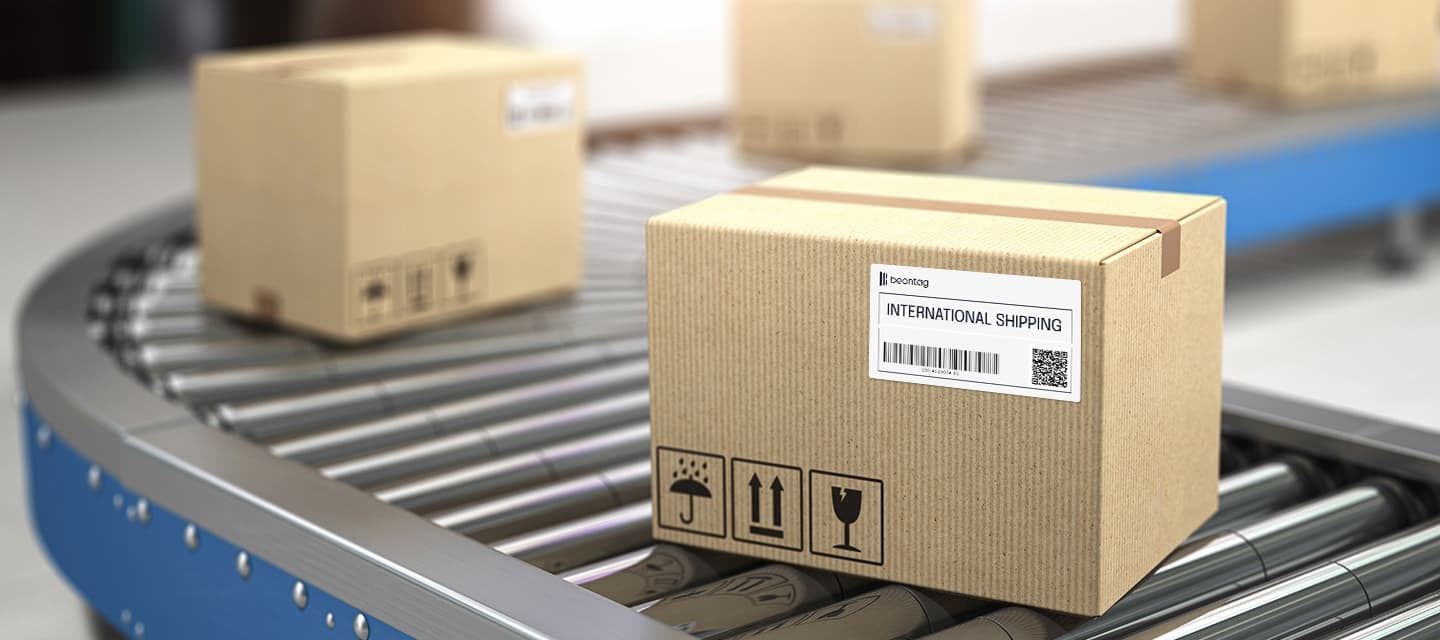
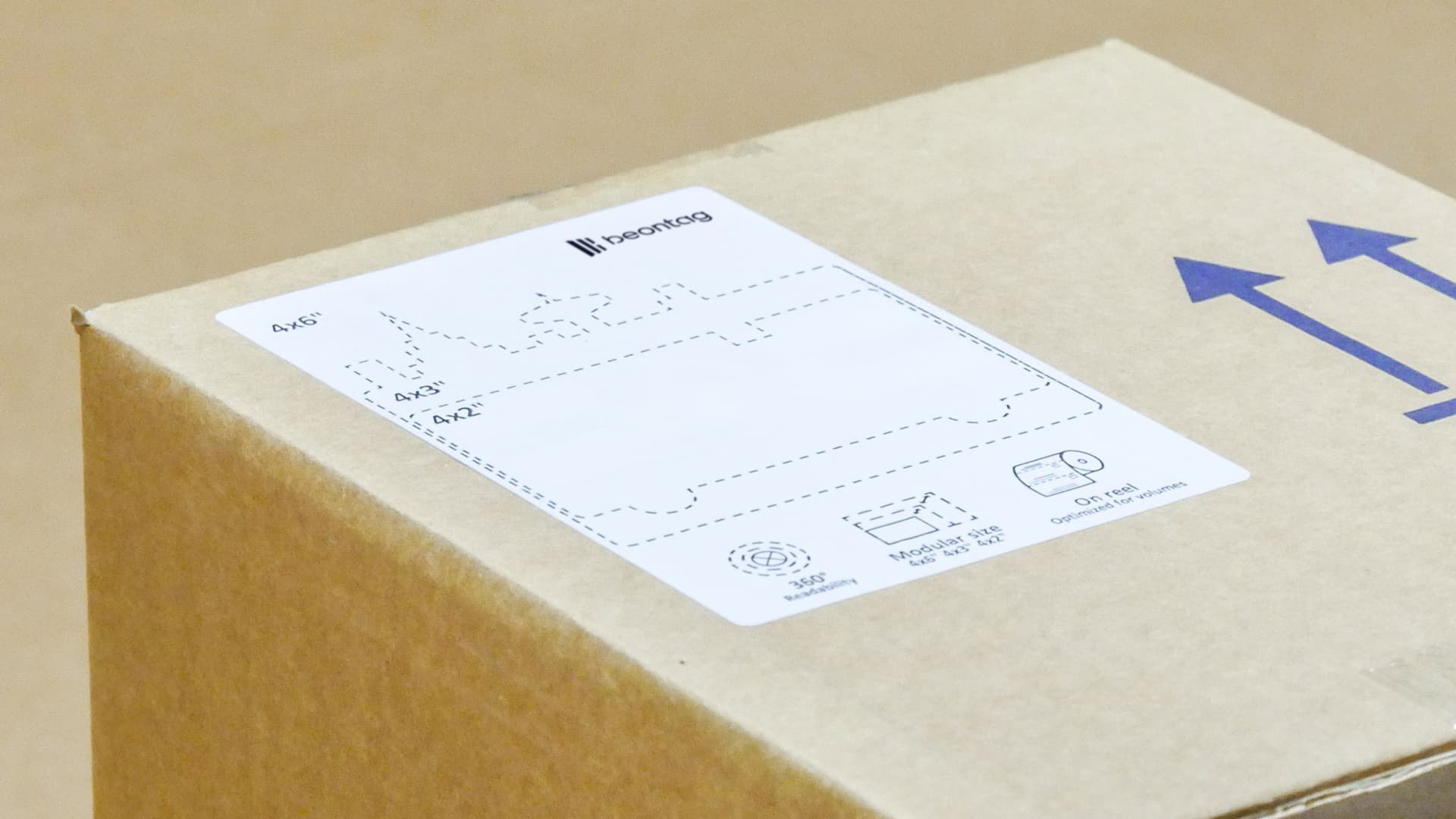
RFID supports automated logistics processes by identifying items as they move through gates, conveyors, or distribution points. This reduces dependency on manual scanning, speeds up handling, and helps maintain consistency in high-throughput environments, including areas like RFID in the cold chain.
UHF RFID operates through dedicated readers integrated into operational infrastructure, not smartphones. This allows for large-scale, continuous reading without user interaction, making it suitable for industrial environments where automation and system-driven data capture are priorities.
NFC is recommended when the focus is on direct user interaction, simplicity, and secure close-range communication.
In UHF RFID vs NFC comparisons, NFC stands out in scenarios where engagement happens through intentional actions, such as tapping a smartphone to access content, authenticate identity, or complete transactions.
NFC enables intuitive tap-based interactions between users and physical objects. By simply bringing a smartphone close to a tag, users can trigger actions such as opening links, accessing services, or completing transactions, making the experience fast and frictionless.
NFC is natively supported by most modern smartphones, allowing direct interaction without additional hardware.
This makes deployment easier in consumer-facing applications, where users can engage with products, packaging, or services using devices they already carry.
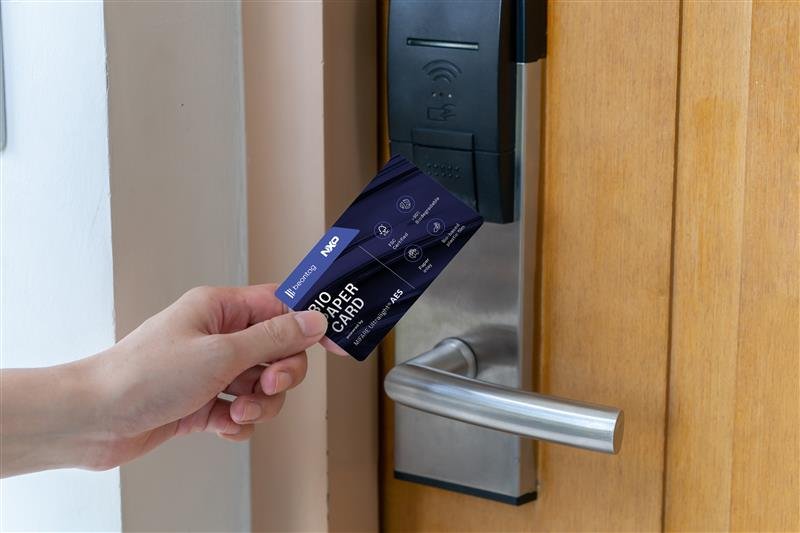
NFC is widely used for secure authentication processes, such as access control, ticketing, and identity verification.
Its short-range communication ensures that interactions are intentional, reducing the risk of unauthorized access and improving trust in sensitive environments.
NFC allows brands to connect physical products to digital content, enabling personalized experiences.
Users can access tailored information, promotions, or services based on interaction, creating a more engaging and data-driven relationship between brands and consumers.
Because NFC operates within a few centimeters, it provides controlled and secure data exchange. This makes it suitable for scenarios where privacy and interaction control are priorities, ensuring that communication only occurs when users deliberately initiate it.
Yes, UHF RFID and NFC are often seen as alternatives, but they can work together within the same ecosystem.
When comparing strategies, each technology plays a different role, combining large-scale automation with direct user interaction across operations and customer-facing touchpoints.
RFID is typically used in backend processes such as inventory tracking, logistics, and asset management, where speed and scale are priorities, especially in areas like RFID asset tracking.
At the same time, NFC can be applied at the consumer level, enabling interaction with products through smartphones for authentication, engagement, or access to digital content.
By integrating both, businesses can connect operational data with user experiences. For example, a product tracked through RFID in the supply chain can later include an NFC tag that allows the end user to access information, verify authenticity, or engage with the brand.
Choosing between UHF RFID and NFC depends on your operational needs. Beontag provides UHF RFID and NFC tag solutions designed to perform in different industries and use cases, from logistics to retail.
With a focus on performance and reliability, these solutions help businesses capture accurate data and improve operational efficiency without adding unnecessary complexity.
To learn more about how RFID can support your strategy, get in touch with Beontag and explore a portfolio of solutions built to enhance visibility, streamline operations, and support long-term growth.