






What is RFID Access Control, And What Are Its Benefits? See How The Technology Works

Subscribe to our newsletter!Stay up to date, subscribe to our newsletter!
SubscribeApplications
A Bluetooth beacon is a small wireless device that uses Bluetooth Low Energy (BLE) to transmit location and identification data to nearby receivers. Read on to learn how BLE beacon technology works and where it delivers value.


A Bluetooth beacon is a small wireless device that uses Bluetooth Low Energy (BLE) to transmit location and identification data to nearby receivers. Read on to learn how BLE beacon technology works and where it delivers value.
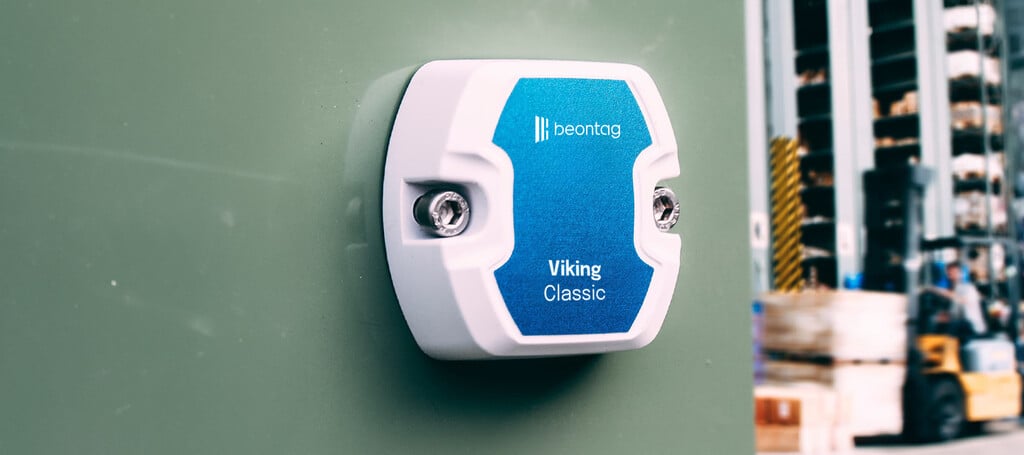
As companies seek better visibility across supply chains, warehouses, and industrial operations, real-time asset tracking has become a growing priority. Technologies such as RFID and Bluetooth Low Energy help organizations identify, locate, and manage assets more efficiently throughout their operational lifecycle.
However, choosing the right technology is not always straightforward. Many businesses struggle to understand the differences between tracking solutions, their infrastructure requirements, and how they perform in different environments.
A Bluetooth beacon offers a practical way to monitor assets indoors and across controlled environments where other technologies are less effective. Continue reading to understand how Bluetooth beacons work and how to determine whether it fits your use case.
It’s a wireless device that continuously broadcasts a unique identifier using Bluetooth Low Energy (BLE) technology. Nearby smartphones, gateways, scanners, or receivers detect this signal and use it to determine the presence, location, or movement of an asset.
Unlike GPS devices, beacons do not calculate their own location. Instead, they transmit signals that are interpreted by nearby infrastructure. This approach reduces power consumption and enables long battery life while supporting indoor tracking and proximity-based applications.
Because they are compact, cost-effective, and easy to deploy, Bluetooth beacons are commonly used for asset tracking, warehouse operations, industrial equipment monitoring, and logistics visibility.

Bluetooth Low Energy is a wireless communication protocol designed to transmit small amounts of data while consuming very little power. BLE devices periodically broadcast signals that nearby receivers can detect and interpret.
Unlike traditional Bluetooth connections, BLE focuses on efficiency rather than continuous data exchange. This allows devices to operate for months or even years on a single battery depending on transmission settings and environmental conditions.
The Bluetooth beacon periodically transmits packets containing identification data. These packets typically include a unique device ID and optional information depending on the beacon configuration and protocol.
When gateways or readers detect the signal, software platforms interpret the transmitted information and associate it with a specific asset. This process enables organizations to monitor asset movement, presence, and status without requiring direct interaction with the device being tracked.
A Bluetooth beacon is often compared with other tracking technologies, but each serves different operational requirements. While all support asset visibility, they differ in communication methods, infrastructure needs, range, and scalability.
Understanding these differences helps organizations choose the most appropriate technology based on their environment and tracking objectives.
The comparison below highlights the main distinctions.
| Feature | Bluetooth Beacon | BLE Tag | RFID | GPS |
|---|---|---|---|---|
| Primary Function | Broadcasts BLE signals | BLE-based asset identification | Radio frequency identification | Global positioning |
| Typical Range | Up to 100+ meters | Up to 100+ meters | Centimeters to several meters | Global coverage |
| Indoor Tracking | Strong | Strong | Strong | Limited |
| Real-Time Location | Possible with infrastructure | Possible with infrastructure | Limited depending on setup | Yes |
| Battery Required | Yes | Yes | Passive RFID: No | Yes |
| Infrastructure | BLE gateways/readers | BLE gateways/readers | RFID readers | Satellite and cellular |
| Bulk Reading | Limited | Limited | Excellent | Not applicable |
| Asset Visibility | Good | Good | Excellent inventory visibility | Excellent outdoor location |
This technology is most effective when organizations need location awareness, proximity detection, or movement visibility inside facilities. The Bluetooth beacon performs particularly well where GPS signals are weak or unavailable.
BLE-based tracking enables organizations to monitor assets without requiring constant human intervention. This improves efficiency and reduces search time.
Several environments benefit from beacon-based asset visibility.
Hospitals, offices, factories, and distribution centers often use Bluetooth beacons to track mobile assets indoors. Equipment, carts, and devices can be located quickly, reducing time spent searching for resources. This improves utilization and operational productivity.
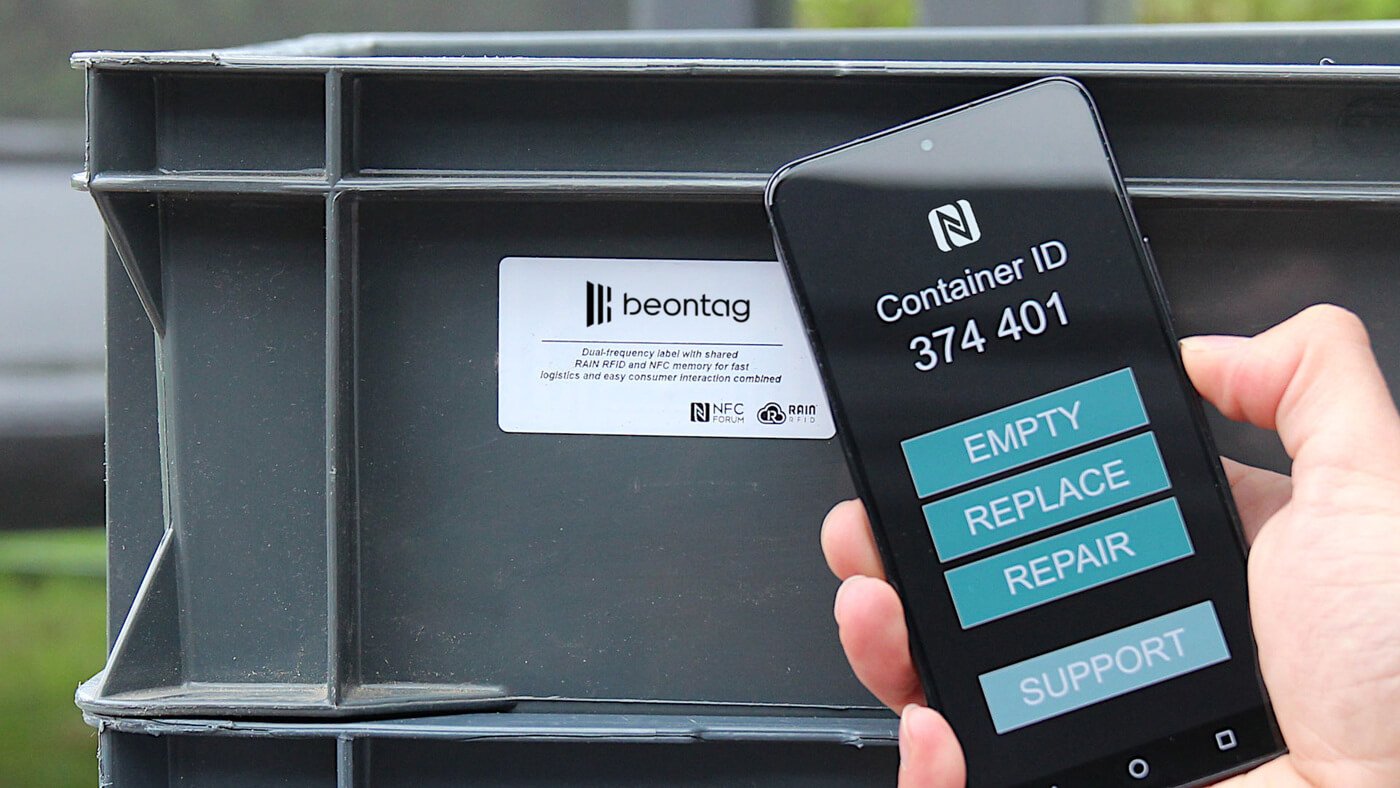
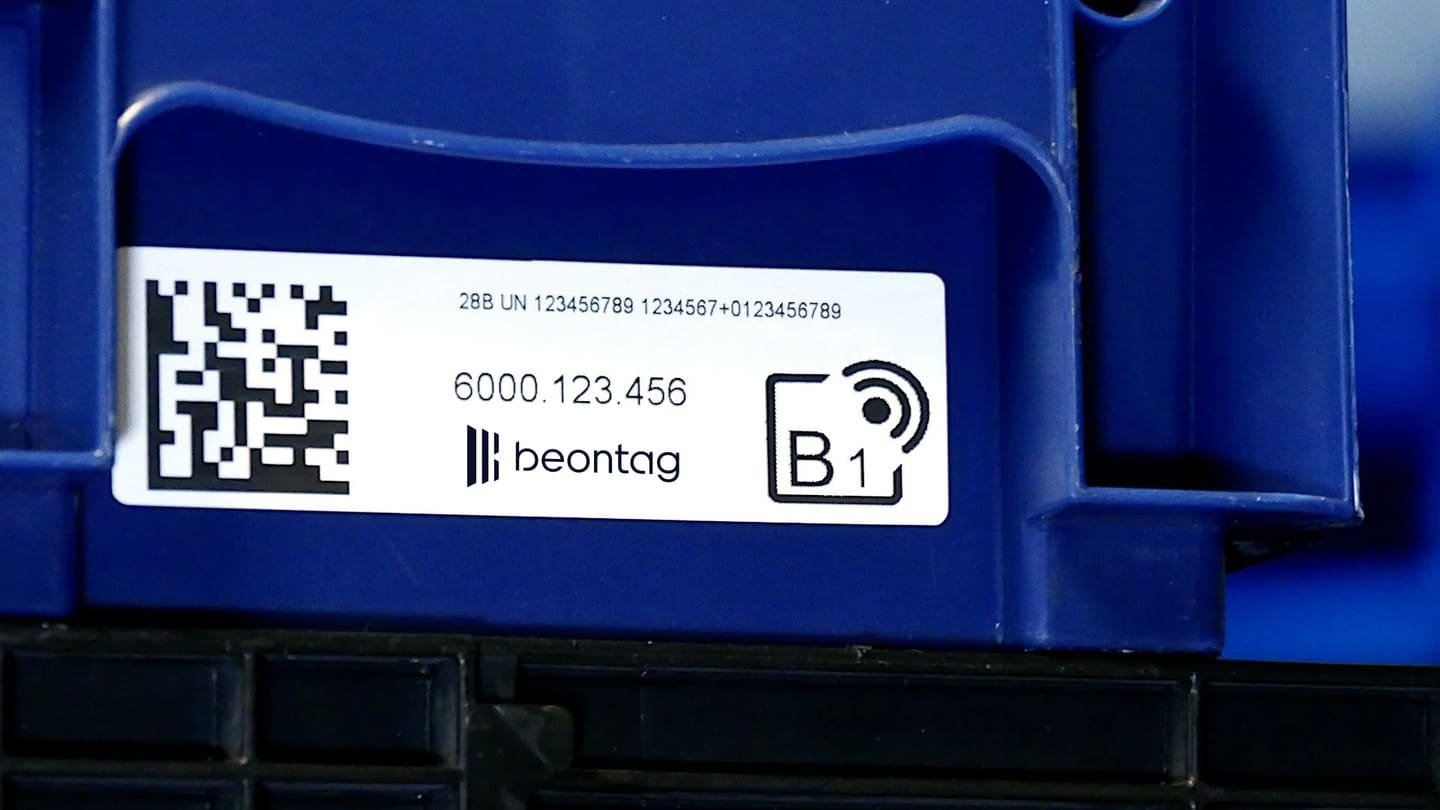
Reusable containers frequently move between facilities and operational zones. BLE technology provides visibility into container location and movement throughout logistics workflows. This helps reduce losses and improve asset utilization.

Manufacturers often track tools and specialized equipment using Bluetooth beacons. Knowing where assets are located helps reduce downtime and improve workflow efficiency. It also supports maintenance and compliance activities.
Forklifts, carts, scanners, and material handling equipment can be monitored through BLE infrastructure. Real-time visibility helps optimize resource allocation. This supports faster and more efficient operations.
Bluetooth beacons can support logistics monitoring by providing location and condition visibility across supply chain environments. When combined with sensors, they can also monitor environmental conditions such as temperature and humidity.
The Bluetooth beacon provides several advantages for organizations seeking scalable and flexible asset visibility solutions. These benefits make BLE technology attractive across multiple industries.
It balances performance, battery life, and infrastructure requirements while supporting growing operational demands. The following advantages explain why BLE adoption continues to expand.
BLE technology offers flexible communication ranges that can extend beyond many traditional short-range technologies. Signal strength can also be used to estimate proximity.
This enables location awareness without requiring precise GPS coordinates.
One of the biggest advantages of a Bluetooth beacon is low power consumption. Devices can often operate for years on a single battery depending on transmission settings.
This reduces maintenance requirements and operational costs.
BLE infrastructure is relatively straightforward to deploy. Organizations can use dedicated gateways, existing mobile devices, or compatible network equipment.
This flexibility supports gradual adoption and scalability.
Large numbers of assets can be monitored using BLE technology. Organizations can expand deployments across facilities while maintaining centralized visibility.
This supports growth without requiring significant architectural changes.
Check out Beontag’s cases to see more benefits.
While a Bluetooth beacon offers many benefits, successful deployments require careful planning. Environmental conditions, infrastructure design, and operational requirements all influence performance.
Understanding limitations helps organizations establish realistic expectations and improve deployment outcomes.
The following considerations are particularly important.
Signal interference - Metal structures, walls, machinery, and other wireless devices can affect BLE signal propagation. These factors may influence location accuracy and communication reliability.
Battery replacement - Although battery life is long, beacon devices eventually require maintenance. Organizations should establish replacement schedules and monitoring processes.
Data accuracy - Location estimation based on signal strength can vary depending on environmental conditions. Accuracy requirements should be aligned with the intended use case.
Privacy and security - Beacon deployments should include security controls to protect transmitted data and system access. Organizations must also comply with applicable privacy regulations when tracking assets or interactions.
Selecting a Bluetooth beacon requires evaluating technical requirements alongside operational goals. Different environments demand different levels of durability, battery life, and communication performance.
A structured evaluation process helps ensure the selected solution supports long-term objectives. Here are a few useful criteria when comparing options:
Indoor, outdoor, industrial, and logistics environments each present different challenge. The beacon should be designed to withstand the intended operating conditions. Environmental compatibility improves reliability.
Battery performance affects maintenance requirements and total cost of ownership. Transmission frequency and usage patterns should be considered. Longer battery life reduces operational effort.
The physical design should match the asset being tracked. Compact devices work well for small tools, while ruggedized formats may be needed for industrial equipment. Proper sizing improves usability.
Different beacon protocols support different software ecosystems and infrastructures. Compatibility should be validated before deployment. This ensures integration and scalability.
Asset tracking technologies continue to evolve as organizations seek greater visibility, automation, and operational efficiency. Whether using BLE, RFID, or hybrid approaches, success depends on selecting technologies that align with business goals and environmental requirements.
Beontag develops identification and tracking solutions that help organizations connect physical assets to digital systems. Our portfolio of BLE solutions supports industries seeking greater visibility across logistics, manufacturing, retail, and industrial operations.
Learn more about technologies that enable smarter asset tracking and real-time visibility through our portfolio and connect with our team of specialists to discover solutions designed for modern connected environments.